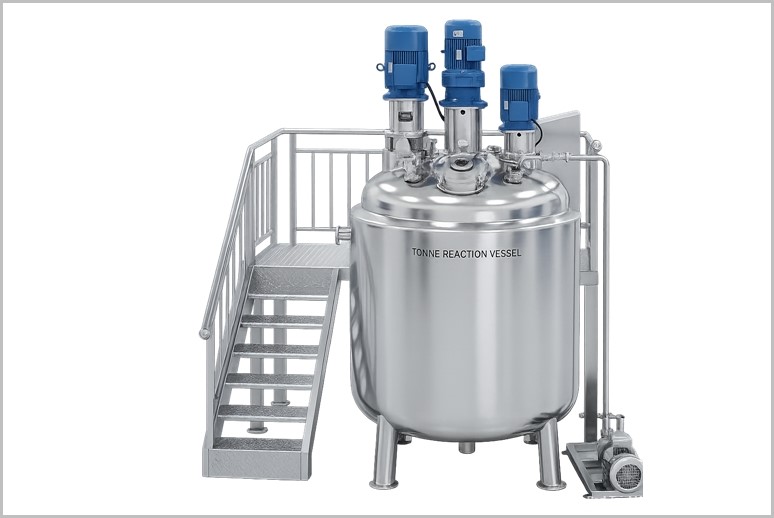
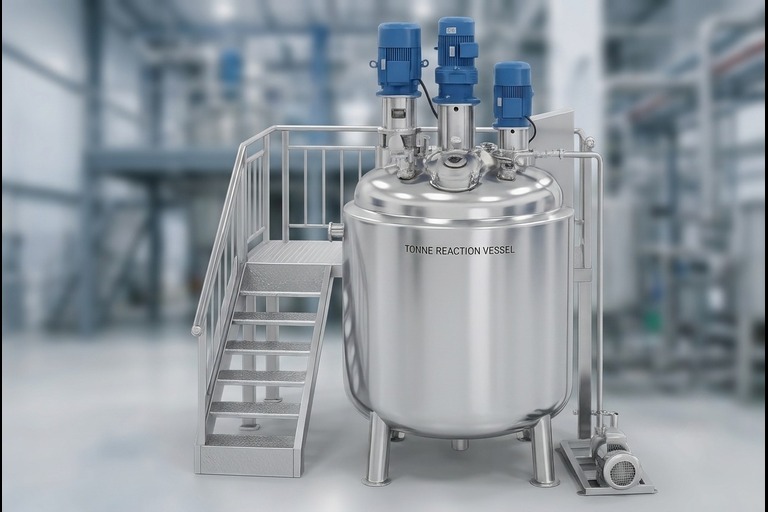
High Pressure Reaction Vessel, also known as a pressure reactor or autoclave, is a specialized container designed to conduct chemical reactions under elevated pressures and sometimes high temperatures. These vessels are essential in laboratory, pilot plant, and industrial settings for processes where pressure influences reaction kinetics, solubility, or product yields. Unlike standard reaction flasks, they are built to withstand extreme conditions while minimizing risks like explosions or leaks.
Pressure increases reaction rates by shifting equilibria or enhancing gas solubility, saving time and energy—up to 92% electricity and 200 gallons of cooling water per reaction compared to atmospheric conditions.
If you need details on specific models and pricing, let me know!
High Pressure Vessels are engineered for safety and durability:
A High Pressure Reaction Vessel (also known as a pressure reactor) is a specialized thick-walled container designed to conduct chemical reactions under elevated pressures and temperatures. It is essential for processes where pressure influences reaction kinetics, gas solubility, or product yields in pharmaceutical, chemical, and industrial applications.
High Pressure Reaction Vessels are engineered to withstand high pressures (often up to several hundred bar) and a wide temperature range. They are built as per ASME standards with robust safety features to operate safely under extreme conditions.
It features reinforced construction, multiple safety valves and rupture discs, precise monitoring systems, and leak-proof designs. The jacketed system provides excellent temperature control while agitators ensure uniform mixing, all while complying with regulatory standards.
They are widely used in the Pharmaceutical, Chemical, Petrochemical, Cosmetic, Nutraceutical, and Research & Development sectors for hydrogenation, polymerization, supercritical reactions, API synthesis, and other high-pressure processes.
Algeria | Angola | Argentina | Australia | Austria | Bahrain | Bangladesh | Belarus | Belgium | Bolivia | Botswana | Brazil | Bulgaria | Canada | Chile | China | Colombia | Costa Rica | Cuba | Czech Republic | Denmark | Dominican Republic | Ecuador | Egypt | El Salvador | Ethiopia | Finland | France | Germany | Ghana | Greece | Guatemala | Haiti | Honduras | Hong Kong | Hungary | India | Indonesia | Iran | Ireland | Israel | Italy | Ivory Coast | Japan | Jordan | Kazakhstan | Kenya | Kuwait | Lebanon | Libya | Malaysia | Mexico | Mongolia | Morocco | Mozambique | Myanmar | Netherlands | New Zealand | Nicaragua | Nigeria | Norway | Oman | Pakistan | Panama | Paraguay | Peru | Philippines | Poland | Portugal | Qatar | Romania | Russia | Saudi Arabia | Senegal | Slovakia | Singapore | South Africa | South Korea | South Sudan | Spain | Sri Lanka | Sweden | Switzerland | Taiwan | Tanzania | Thailand | Trinidad and Tobago | Tunisia | Turkey | Uganda | Ukraine | United Arab Emirates | United Kingdom | United States | Uruguay | Uzbekistan | Venezuela | Vietnam | Zambia | Zimbabwe
Connect with our engineering team to discuss your specific production requirements. We provide customized, cGMP-compliant machinery solutions designed to optimize your manufacturing facility and maximize output.
©Adinath International | Theme Developed By Pharma Machinery Manufacturer I Website updated on: 15 October 2026
Request A Quick Quote
High Pressure Reaction Vessel
Please drop your requirements, one of our technical expert will contact you in next 24 working hours.
WhatsApp us


