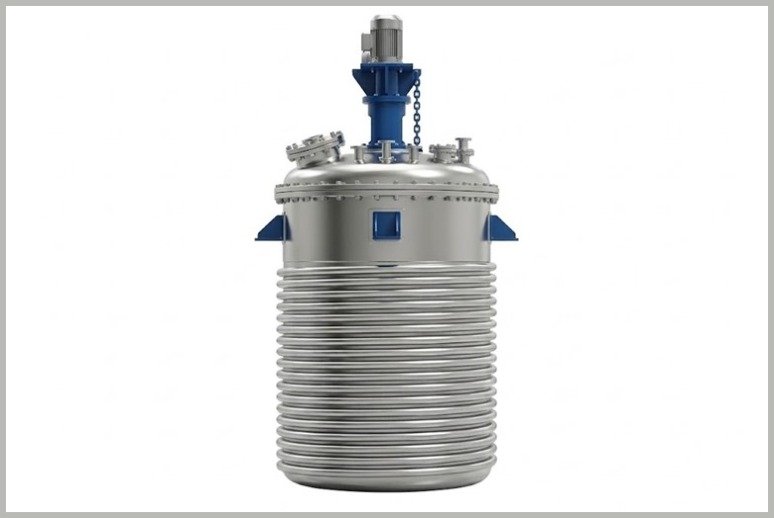
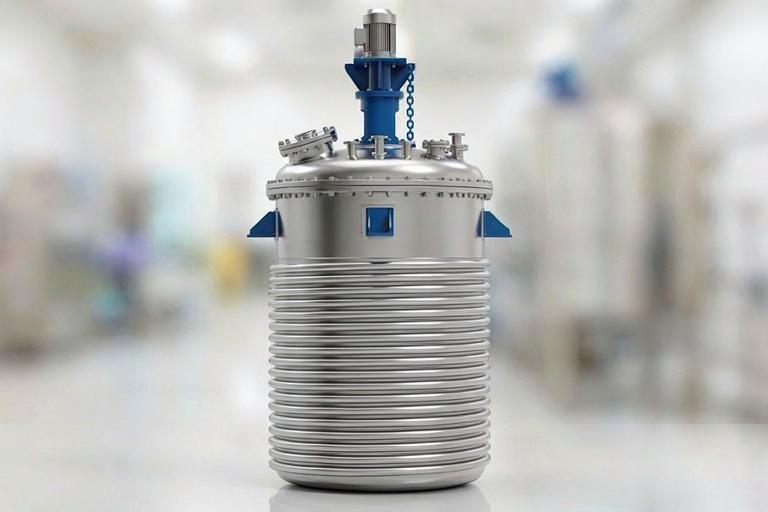
In advanced chemical synthesis, pharmaceutical R&D, and pilot-scale processing, achieving strict thermal control is vital for reaction yield, safety, and reproducibility. At the forefront of this technology is the Double Jacketed Reaction Vessel—often referred to as a dual-jacketed or vacuum-jacketed reactor. Engineered to handle complex chemical reactions under meticulously regulated temperature profiles, these specialized vessels are foundational across modern laboratory and pilot plant settings.
This comprehensive technical guide explores the structural design, advanced thermal insulation principles, and operational advantages of double-jacketed reaction vessels, highlighting why they remain an indispensable asset for chemical processing and industrial manufacturing equipment portfolios offered by industry leaders like Adinath International.
Engineering Excellence with Adinath International
Investing in an automatic bottle unscrambler delivers numerous advantages:
A Double Jacketed Reaction Vessel (also called a dual-jacketed or vacuum-jacketed reactor) is a specialized vessel engineered for precise thermal control during complex chemical reactions. It features a double-wall design that allows circulating heating or cooling media, ensuring strict temperature regulation critical for reaction yield, safety, and reproducibility in chemical synthesis, pharmaceutical R&D, and pilot-scale processing.
Key features include precise temperature control via circulating media, a double-wall design for superior heat transfer and uniformity, enhanced thermal insulation (with optional vacuum outer jacket), suitability for both heating and cooling, corrosion-resistant materials (SS 316/316L, borosilicate glass, or glass-lined), integrated agitators for efficient mixing, a wide operating temperature range (from cryogenic to high heat), secondary containment for safety, energy-efficient operation with reduced heat loss, customizable capacities from lab to industrial scale, CIP/SIP compatibility, and robust construction for pressure and vacuum applications.
They are widely applied in the pharmaceutical, nutraceutical, herbal, Ayurvedic, biotech, cosmetic, and chemical industries for processes requiring controlled thermal conditions and hygienic operation.
Benefits include enhanced process safety through dual-wall containment, support for a wide range of reaction temperatures, better product quality and consistency, facilitation of both endothermic and exothermic processes, easy integration with agitators and sensors, and reduced contamination risk in hygienic applications.
The double-wall construction enables circulating heating or cooling media for precise and uniform heat transfer. An optional vacuum outer jacket provides superior thermal insulation, minimizing heat loss, improving energy efficiency, and supporting stable temperature profiles across a broad operating range.
They are typically built from corrosion-resistant materials such as SS 316/316L stainless steel, borosilicate glass, or glass-lined options. These materials ensure durability, chemical compatibility, and compliance with hygienic standards required in pharmaceutical and related industries.
Yes. They are designed for both heating and cooling via circulating media, making them suitable for endothermic and exothermic reactions while maintaining precise thermal control and safety.
Yes. They are compatible with CIP (Clean-in-Place) and SIP (Sterilize-in-Place) systems, feature corrosion-resistant materials, and offer reduced contamination risk, making them ideal for pharmaceutical, biotech, and other hygienic applications.
Capacities are customizable from laboratory/pilot scale to full industrial scale. Vessels can be engineered with integrated agitators, sensors, pressure/vacuum capability, and other features to match specific process requirements while meeting international standards.
Adinath International manufactures robust, precision-engineered Double Jacketed Reaction Vessels. They incorporate advanced vacuum-jacketed technology and durable materials to deliver optimal thermal efficiency, operational safety, and long-term reliability, built to meet stringent international standards for chemical and pharmaceutical processing.
Algeria | Angola | Argentina | Australia | Austria | Bahrain | Bangladesh | Belarus | Belgium | Bolivia | Botswana | Brazil | Bulgaria | Canada | Chile | China | Colombia | Costa Rica | Cuba | Czech Republic | Denmark | Dominican Republic | Ecuador | Egypt | El Salvador | Ethiopia | Finland | France | Germany | Ghana | Greece | Guatemala | Haiti | Honduras | Hong Kong | Hungary | India | Indonesia | Iran | Ireland | Israel | Italy | Ivory Coast | Japan | Jordan | Kazakhstan | Kenya | Kuwait | Lebanon | Libya | Malaysia | Mexico | Mongolia | Morocco | Mozambique | Myanmar | Netherlands | New Zealand | Nicaragua | Nigeria | Norway | Oman | Pakistan | Panama | Paraguay | Peru | Philippines | Poland | Portugal | Qatar | Romania | Russia | Saudi Arabia | Senegal | Slovakia | Singapore | South Africa | South Korea | South Sudan | Spain | Sri Lanka | Sweden | Switzerland | Taiwan | Tanzania | Thailand | Trinidad and Tobago | Tunisia | Turkey | Uganda | Ukraine | United Arab Emirates | United Kingdom | United States | Uruguay | Uzbekistan | Venezuela | Vietnam | Zambia | Zimbabwe
Connect with our engineering team to discuss your specific production requirements. We provide customized, cGMP-compliant machinery solutions designed to optimize your manufacturing facility and maximize output.
©Adinath International | Theme Developed By Pharma Machinery Manufacturer I Website updated on: 15 October 2026
Request A Quick Quote
Double Jacketed Reaction Vessels
Please drop your requirements, one of our technical expert will contact you in next 24 working hours.
WhatsApp us


