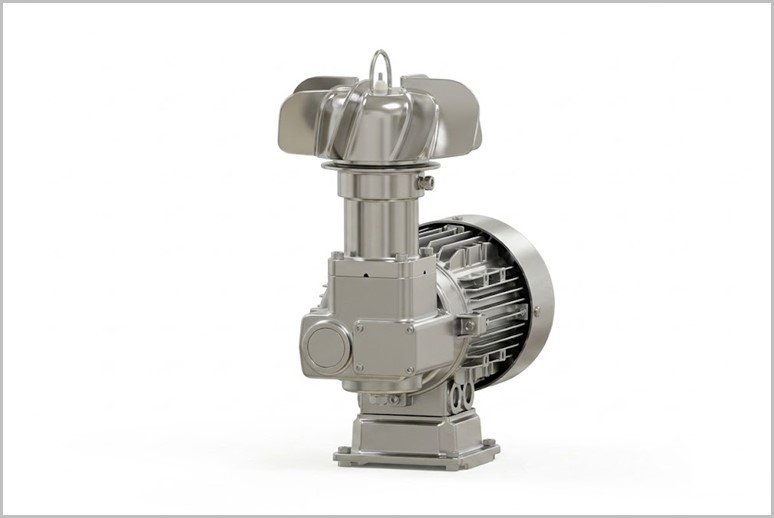
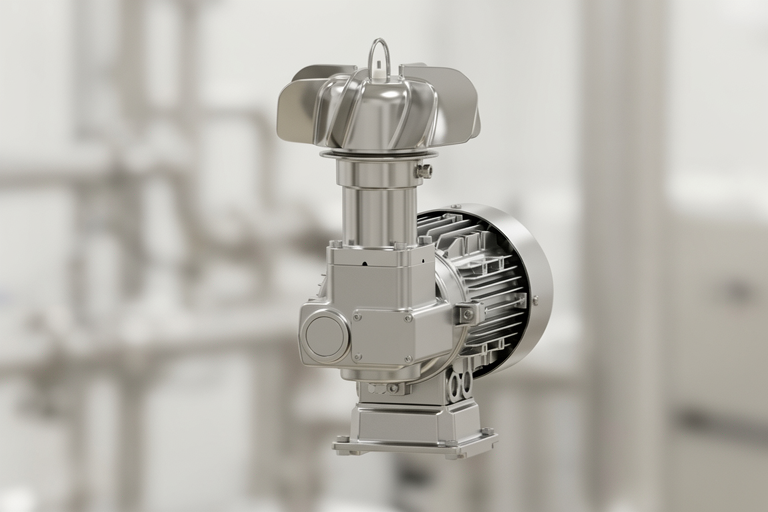
In modern pharmaceutical, biotechnology, and fine chemical processing, maintaining absolute sterility and product integrity is paramount. Traditional top- or side-entry mixers rely heavily on dynamic mechanical seals, which are notorious for wear, thermal degradation, and potential contamination risks. Enter the magnetic agitator—also widely referred to as a magnetic mixer or mag-drive agitator—a cutting-edge mixing solution engineered to overcome these exact industrial hurdles.
At its core, a magnetic agitator is an advanced mixing device that utilizes magnetic coupling to drive an internal impeller without any mechanical shaft or physical penetration passing through the vessel walls. This innovative design establishes a completely hermetically sealed, leak-proof system optimized for strict sterile processing environments.
What is a Magnetic Agitator?
How It Works
An external drive unit (with magnets or electromagnets) rotates outside the tank, generating a magnetic field that couples with an internal impeller (containing magnets) inside the vessel. The impeller spins to agitate the contents, with no direct physical connection. Common configurations include bottom-mounted (most popular for sterile applications) or top-mounted.
A Magnetic Agitator (also called a magnetic mixer or mag-drive agitator) is a non-contact mixing device that uses magnetic coupling to drive an internal impeller inside a sealed vessel without any mechanical shaft or physical penetration through the vessel wall.
An external drive unit with magnets rotates outside the vessel, generating a magnetic field that couples with an internal magnet rotor attached to the impeller. This causes the impeller to spin and mix the contents without any direct physical connection between the motor and the product zone.
It offers a completely seal-less and leak-free design, eliminates the risk of product contamination from mechanical seals, enables fully hermetic/aseptic mixing, supports easy CIP/SIP cleaning, and requires very low maintenance.
Yes. Its hermetically sealed system with no shaft penetration or dynamic seals makes it ideal for high-purity, sterile processing in pharmaceuticals, biotechnology, food, and fine chemical industries.
Yes. The design is fully CIP (Clean-in-Place) and SIP (Sterilize-in-Place) compatible, especially with open impeller geometries that provide excellent cleanability.
It uses product-lubricated ceramic bearings (typically silicon carbide or zirconium oxide) that offer high durability, low particle generation, and the ability to dry-run for limited periods during vessel emptying without damage.
It is commonly available in compact bottom-entry configurations (most popular for sterile applications) or top-entry designs, both of which free up valuable space on the vessel head for instruments and fittings.
Yes. Because torque is transmitted through magnetic coupling across the vessel wall with no shaft seals, it provides safe containment and eliminates leakage risks when handling hazardous or toxic fluids.
Magnetic Agitators are designed for efficient mixing of low to medium viscosity fluids and are available with various impeller geometries to suit different process requirements.
It has no mechanical seals, packing, or dynamic shaft penetrations that wear out. Ceramic bearing components can be easily replaced on-site, resulting in high process reliability and a long service life.
Algeria | Angola | Argentina | Australia | Austria | Bahrain | Bangladesh | Belarus | Belgium | Bolivia | Botswana | Brazil | Bulgaria | Canada | Chile | China | Colombia | Costa Rica | Cuba | Czech Republic | Denmark | Dominican Republic | Ecuador | Egypt | El Salvador | Ethiopia | Finland | France | Germany | Ghana | Greece | Guatemala | Haiti | Honduras | Hong Kong | Hungary | India | Indonesia | Iran | Ireland | Israel | Italy | Ivory Coast | Japan | Jordan | Kazakhstan | Kenya | Kuwait | Lebanon | Libya | Malaysia | Mexico | Mongolia | Morocco | Mozambique | Myanmar | Netherlands | New Zealand | Nicaragua | Nigeria | Norway | Oman | Pakistan | Panama | Paraguay | Peru | Philippines | Poland | Portugal | Qatar | Romania | Russia | Saudi Arabia | Senegal | Slovakia | Singapore | South Africa | South Korea | South Sudan | Spain | Sri Lanka | Sweden | Switzerland | Taiwan | Tanzania | Thailand | Trinidad and Tobago | Tunisia | Turkey | Uganda | Ukraine | United Arab Emirates | United Kingdom | United States | Uruguay | Uzbekistan | Venezuela | Vietnam | Zambia | Zimbabwe
Connect with our engineering team to discuss your specific production requirements. We provide customized, cGMP-compliant machinery solutions designed to optimize your manufacturing facility and maximize output.
©Adinath International | Theme Developed By Pharma Machinery Manufacturer I Website updated on: 15 October 2026
Request A Quick Quote
Magnetic Agitator
Please drop your requirements, one of our technical expert will contact you in next 24 working hours.
WhatsApp us


