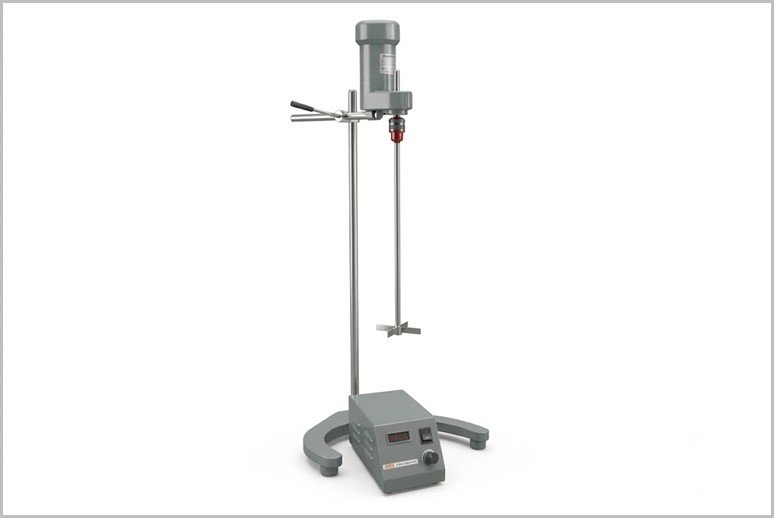
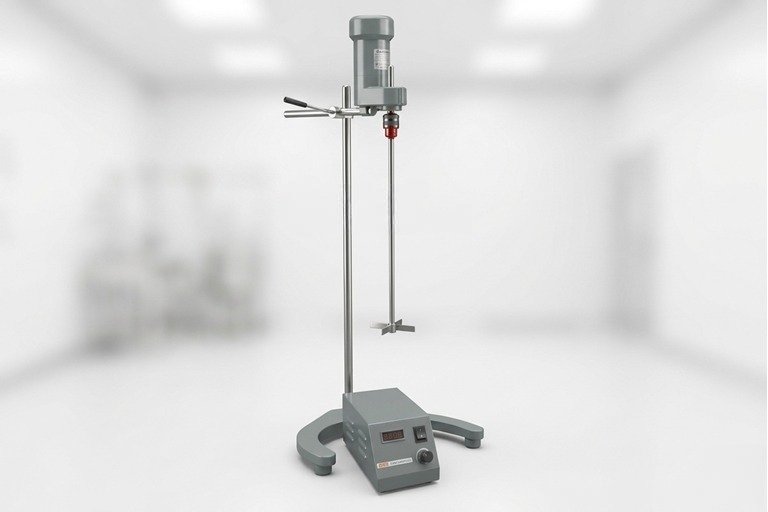
When it comes to efficient fluid processing in modern manufacturing, selecting the right industrial mixer is critical. Among the most trusted tools in chemical processing, wastewater treatment, and pharmaceutical manufacturing is the propeller agitator—frequently referred to as a marine propeller agitator or axial flow impeller. Engineered primarily for low-viscosity fluids, this dynamic piece of equipment excels at stirring, blending, homogenizing, and suspending solid particles within liquid mediums across various tank geometries.
Core Design and Structural Anatomy
At its core, a propeller agitator features a streamlined, high-speed central shaft connected to an impeller that closely mirrors a boat or aircraft propeller. Typically designed with 3 to 4 curved or pitched blades, this configuration is entirely intentional. The specific pitch of the blades allows the impeller to slice through liquids with minimal mechanical resistance while maximizing volumetric throughput.
To ensure long-term durability and regulatory compliance in sensitive sectors, reputable manufacturers typically construct these agitators from robust, industrial-grade materials such as 316 stainless steel, nickel alloys, or specialized polymer coatings. This ensures resistance against aggressive chemical environments and high-stress operational cycles.
Conclusion
Investing in a high-quality propeller agitator ensures operational reliability, optimal energy consumption, and consistent end-product quality. Whether you are upgrading an existing mixing vessel or designing a brand-new industrial process line, understanding the mechanics of axial flow impellers is key to maximizing plant efficiency.
A Propeller Agitator (also known as a marine propeller agitator or axial flow impeller) is a high-speed industrial mixer designed primarily for low-viscosity fluids. It features a central shaft fitted with 3 to 4 curved or pitched blades that create strong axial flow for efficient stirring, blending, homogenizing, and suspending solid particles in liquids.
The pitched blades rotate at high speed and act like a screw, generating a strong axial jet of fluid that moves the liquid top-to-bottom (or bottom-to-top). This persistent flow circulates the contents throughout the tank, promoting uniform mixing while minimizing dead zones.
Product-contact parts are typically made from SS 304, SS 316, or SS 316L stainless steel. These materials offer excellent corrosion resistance, hygiene, and durability, making the agitator suitable for pharmaceutical, food, and chemical applications. Specialized alloys or coatings can also be used for aggressive environments.
It is ideal for low to medium viscosity liquids, generally below 2,000–3,000 cP. Common applications include aqueous solutions, syrups, brines, emulsions, and suspensions.
Operating speeds usually range from 200 to 1,800 RPM. Smaller units often run at full motor speed (around 1,150–1,750 RPM), while larger units operate at lower speeds (400–800 RPM) for optimal performance.
They can be installed as top-entry (central or eccentric/off-center), side-entry, or inclined. Eccentric or angled mounting often eliminates the need for baffles, while central mounting may require optional baffles to prevent vortex formation.
It is widely used in the pharmaceutical, nutraceutical, herbal, Ayurvedic, biotech, cosmetic, and chemical industries for blending, homogenizing, dissolving, and solids suspension applications.
Key advantages include high efficiency for axial circulation in large tanks, low power consumption compared to other impeller types, gentle mixing suitable for shear-sensitive products, and excellent top-to-bottom turnover that ensures uniform mixing.
Yes. Shaft length, blade pitch, number of propellers (multiple propellers can be fitted on one shaft for deep tanks), speed (fixed or variable with VFD), and mounting style can all be customized according to tank size and process requirements.
Yes. With stainless-steel construction, polished finishes, simple design, and easy-to-clean surfaces, it supports hygienic and GMP-compliant operations. Many models are compatible with CIP/SIP systems, making them ideal for pharmaceutical and food processing.
Algeria | Angola | Argentina | Australia | Austria | Bahrain | Bangladesh | Belarus | Belgium | Bolivia | Botswana | Brazil | Bulgaria | Canada | Chile | China | Colombia | Costa Rica | Cuba | Czech Republic | Denmark | Dominican Republic | Ecuador | Egypt | El Salvador | Ethiopia | Finland | France | Germany | Ghana | Greece | Guatemala | Haiti | Honduras | Hong Kong | Hungary | India | Indonesia | Iran | Ireland | Israel | Italy | Ivory Coast | Japan | Jordan | Kazakhstan | Kenya | Kuwait | Lebanon | Libya | Malaysia | Mexico | Mongolia | Morocco | Mozambique | Myanmar | Netherlands | New Zealand | Nicaragua | Nigeria | Norway | Oman | Pakistan | Panama | Paraguay | Peru | Philippines | Poland | Portugal | Qatar | Romania | Russia | Saudi Arabia | Senegal | Slovakia | Singapore | South Africa | South Korea | South Sudan | Spain | Sri Lanka | Sweden | Switzerland | Taiwan | Tanzania | Thailand | Trinidad and Tobago | Tunisia | Turkey | Uganda | Ukraine | United Arab Emirates | United Kingdom | United States | Uruguay | Uzbekistan | Venezuela | Vietnam | Zambia | Zimbabwe
Connect with our engineering team to discuss your specific production requirements. We provide customized, cGMP-compliant machinery solutions designed to optimize your manufacturing facility and maximize output.
©Adinath International | Theme Developed By Pharma Machinery Manufacturer I Website updated on: 15 October 2026
Request A Quick Quote
Propeller Agitator
Please drop your requirements, one of our technical expert will contact you in next 24 working hours.
WhatsApp us


