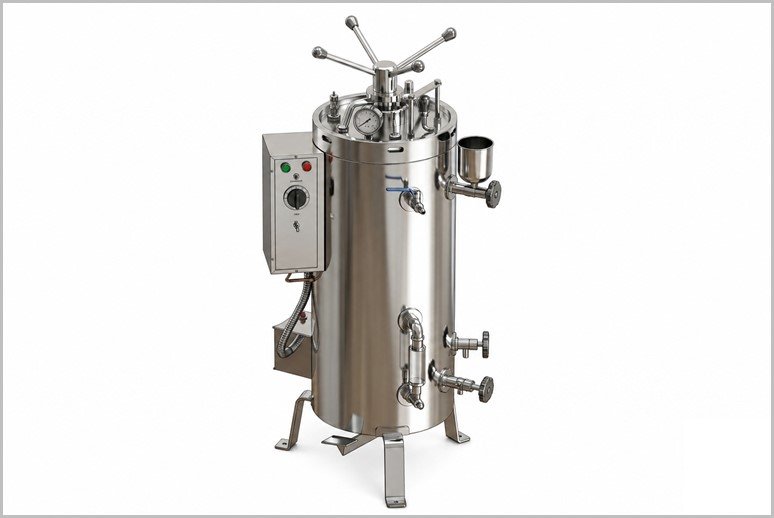
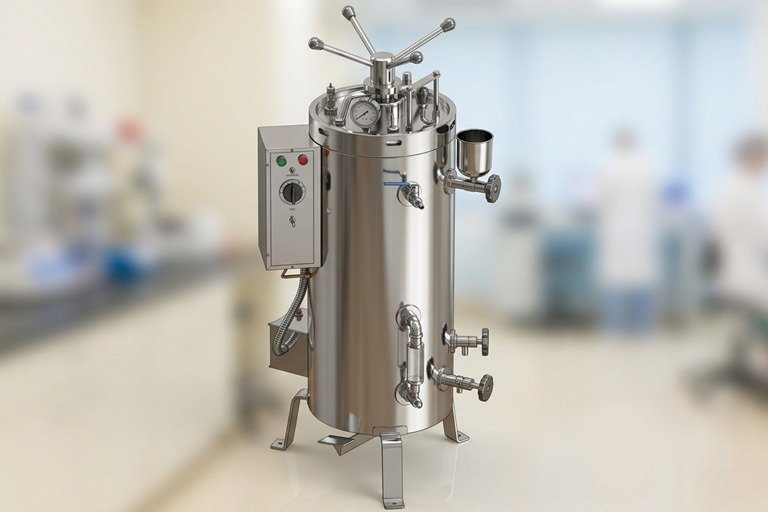
A Laboratory Autoclave, commonly known as a steam sterilizer, is a specialized pressure vessel designed to create aseptic conditions by exposing laboratory equipment, culture media, glassware, instruments, and biohazardous waste to high-pressure saturated steam at elevated temperatures. This trusted sterilization method effectively destroys microorganisms, including bacteria, viruses, fungi, and highly resistant spores, making it an essential tool in research institutions, clinical laboratories, universities, and diagnostic facilities worldwide.
Unlike dry-heat ovens or chemical sterilant, laboratory autoclaves utilize moist heat, which provides superior penetration into porous materials, fabrics, liquids, and hollow instruments. This efficiency makes them the gold standard for achieving reliable sterility in time-sensitive laboratory workflows.
The sterilization process in a Laboratory Autoclave typically reaches temperatures of 121°C (250°F) at 15 psi or 134°C (273°F) at 30 psi for a defined holding time. Steam displaces cooler air, condenses on cooler surfaces, and transfers latent heat rapidly, denaturing microbial proteins and ensuring thorough sterilization. Modern benchtop and floor-standing models incorporate advanced features such as pre-vacuum cycles, rapid cooling systems, drying phases, and digital controls with data logging for full traceability.
Autoclaves function through a cycle of phases:
While specific models may vary, Adinath’s autoclave sterilizers generally offer:
* Power voltage can be adjusted as per customer’s domestic power voltage requirements.
* Rights of technical improvements & modification reserved.
* Illustrations & dimensions are shown for information purpose only.
To maximize effectiveness and safety, trained personnel follow validated cycles, use appropriate indicators (chemical and biological), avoid overloading, and perform regular maintenance on seals, valves, and sensors. Modern autoclaves include safety features such as pressure interlocks, over-temperature protection, and automated leak tests to protect users and ensure consistent performance.
When choosing a Laboratory Autoclave, factors such as chamber size, cycle versatility, energy efficiency, data connectivity, and manufacturer support should be carefully evaluated. Reputable suppliers provide installation qualification (IQ), operational qualification (OQ), and performance qualification (PQ) support to help laboratories maintain compliance.
The Laboratory Autoclave remains the cornerstone of sterilization in scientific and clinical environments due to its reliability, efficiency, and proven track record spanning over a century. By delivering consistent, high-level sterility, these steam sterilizers enable researchers and clinicians to focus on discovery and patient care with confidence in their aseptic techniques.
Investing in a quality laboratory autoclave reflects a commitment to scientific excellence, laboratory safety, and regulatory compliance — core principles that drive trustworthy research outcomes.
A Laboratory Autoclave (also called a steam sterilizer) is a specialized pressure vessel that creates aseptic conditions by exposing laboratory equipment, culture media, glassware, instruments, and biohazardous waste to high-pressure saturated steam at elevated temperatures. It effectively destroys bacteria, viruses, fungi, and resistant spores.
It operates in phases:
Standard cycles reach 121°C (250°F) at 15 psi or 134°C (273°F) at 30 psi. Technical specifications commonly list a temperature range of 121°C to 132°C and a pressure range of 15 to 30 PSI.
Chambers and exteriors are typically made of stainless steel for durability and corrosion resistance. Safety features include automatic pressure control, safety valves, and door interlocks. Power voltage can be adjusted to match local requirements.
Chamber volumes vary to suit different load capacities. Control systems often include digital PLC-based controls with programmable cycles (optional) and data logging for full traceability. Modern models may also feature pre-vacuum cycles, rapid cooling, and drying phases.
Moist heat provides superior penetration into porous materials, fabrics, liquids, and hollow instruments compared to dry-heat ovens or chemical sterilants, making autoclaves the gold standard for reliable, time-efficient sterility in laboratory workflows.
They are essential in research institutions, clinical laboratories, universities, and diagnostic facilities. Related sterilization equipment is also used across pharmaceutical, nutraceutical, herbal, Ayurvedic, biotech, cosmetic, and chemical industries.
Many models offer a quick cycle time of 15–20 minutes, enabling efficient processing of laboratory loads while maintaining thorough sterilization.
More Sterilization Equipments
 Vertical Laboratory Autoclave
 Cement Autoclave
 Cylindrical Autoclave
 Horizontal Autoclave Rectangular
Algeria | Angola | Argentina | Australia | Austria | Bahrain | Bangladesh | Belarus | Belgium | Bolivia | Botswana | Brazil | Bulgaria | Canada | Chile | China | Colombia | Costa Rica | Cuba | Czech Republic | Denmark | Dominican Republic | Ecuador | Egypt | El Salvador | Ethiopia | Finland | France | Germany | Ghana | Greece | Guatemala | Haiti | Honduras | Hong Kong | Hungary | India | Indonesia | Iran | Ireland | Israel | Italy | Ivory Coast | Japan | Jordan | Kazakhstan | Kenya | Kuwait | Lebanon | Libya | Malaysia | Mexico | Mongolia | Morocco | Mozambique | Myanmar | Netherlands | New Zealand | Nicaragua | Nigeria | Norway | Oman | Pakistan | Panama | Paraguay | Peru | Philippines | Poland | Portugal | Qatar | Romania | Russia | Saudi Arabia | Senegal | Slovakia | Singapore | South Africa | South Korea | South Sudan | Spain | Sri Lanka | Sweden | Switzerland | Taiwan | Tanzania | Thailand | Trinidad and Tobago | Tunisia | Turkey | Uganda | Ukraine | United Arab Emirates | United Kingdom | United States | Uruguay | Uzbekistan | Venezuela | Vietnam | Zambia | Zimbabwe
Connect with our engineering team to discuss your specific production requirements. We provide customized, cGMP-compliant machinery solutions designed to optimize your manufacturing facility and maximize output.
©Adinath International | Theme Developed By Pharma Machinery Manufacturer I Website updated on: 15 October 2026
Request A Quick Quote
Laboratory Autoclave
Please drop your requirements, one of our technical expert will contact you in next 24 working hours.
WhatsApp us
