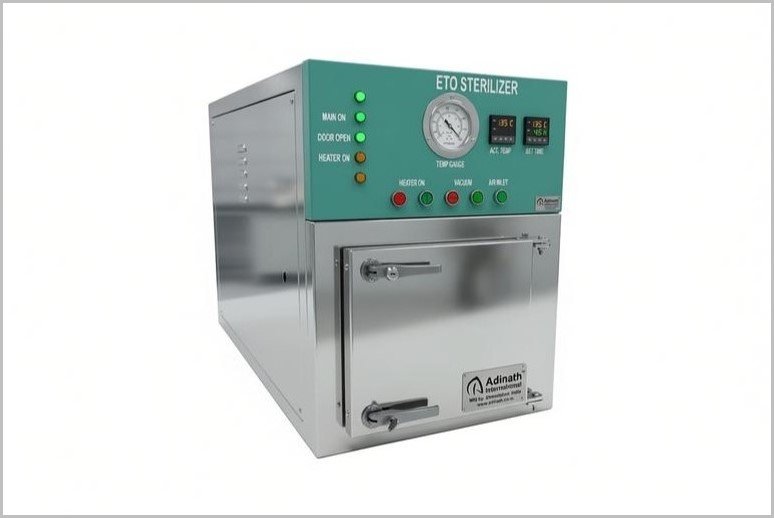
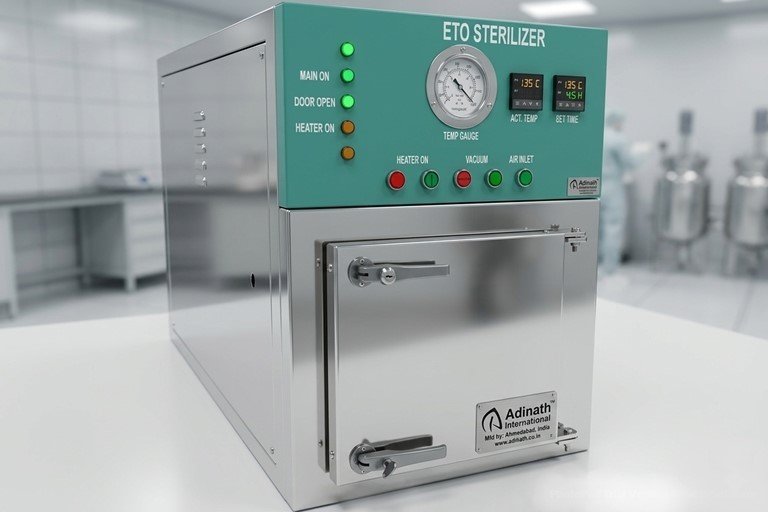
A medical sterilizer is a critical device or system designed to completely eliminate all forms of microbial life—including bacteria, viruses, fungi, and resistant spores—from surgical instruments, medical equipment, supplies, and surfaces. Unlike cleaning or disinfection, which only reduces microbial load, true medical sterilization achieves a sterility assurance level (SAL) of 10⁻⁶, ensuring the highest possible safety for patients and healthcare professionals.
In hospitals, clinics, ambulatory surgical centers, and laboratories, hospital sterilizers play a vital role in preventing healthcare-associated infections (HAIs), which affect millions of patients globally each year. Proper sterilization protocols protect vulnerable patients during invasive procedures, surgeries, and routine care while extending the lifespan of expensive medical instruments.
Effective medical equipment sterilization follows a strict, validated process:
Authoritative guidelines from organizations such as the CDC, WHO, AAMI, and ISO 17665 emphasize rigorous validation, monitoring, and documentation. Facilities with strong quality management systems routinely audit their sterilization practices to maintain compliance and patient safety.
* Power voltage can be adjusted as per customer’s domestic power voltage requirements.
* Rights of technical improvements & modification reserved.
* Illustrations & dimensions are shown for information purpose only.
Investing in high-quality hospital sterilizers delivers multiple benefits:
Trustworthy manufacturers incorporate advanced features like automated cycle documentation, real-time monitoring, fail-safe mechanisms, and user-friendly interfaces. These systems help CSSD managers and infection control teams maintain the highest standards of care with confidence.
Best Practices for Optimal Performance
Leading sterilization experts recommend regular preventive maintenance, staff training, and performance qualification testing. Proper loading techniques, correct wrapping materials, and adequate aeration (for gas sterilization) are essential to avoid wet packs or residual sterilant that could compromise safety.
A medical sterilizer is a device designed to completely eliminate all forms of microbial life—including bacteria, viruses, fungi, and resistant spores—from surgical instruments, medical equipment, and supplies. Unlike disinfection or cleaning (which only reduce microbial load), true sterilization achieves a sterility assurance level (SAL) of 10⁻⁶ for the highest patient safety.
Key features include destruction of 99.999% of resistant spores and pathogens using pressurized saturated steam; construction from high-grade seamless medical stainless steel; rapid complete sterilization and drying cycles; real-time microprocessor monitoring of temperature, pressure, and cycle time; automatic steam venting and cooling; continuous monitoring for low water, power issues, and interruptions with alerts; and an automated temperature-sensitive locking mechanism for safety.
The validated process includes: thorough cleaning and decontamination to remove organic soil and bioburden; proper packaging in wraps or containers that maintain sterility; a controlled sterilization cycle managing time, temperature, pressure, and sterilant; verification using chemical indicators, Bowie-Dick tests, and biological indicators (spore tests); and careful storage/handling to preserve sterility until use. Guidelines from CDC, WHO, AAMI, and ISO 17665 emphasize validation and documentation.
Perform sterilization in dedicated Central Processing Departments (CPDs) with controlled environments; store sterilized items 8–10 inches off the floor, away from sinks, in ventilated areas; use aseptic handling techniques post-sterilization; monitor cycles weekly with biological indicators and document parameters; and regularly calibrate gauges while validating steam quality. Power voltage can often be adjusted to local requirements.
Common types include Industrial ETO Sterilizers, Horizontal Autoclaves, Dry Heat Sterilizers, and Cath Lab Ethylene Oxide Gas Sterilizers. These support different needs such as steam-based processes for heat-stable items or low-temperature gas methods for sensitive devices.
They are used in the pharmaceutical, nutraceutical, herbal, Ayurvedic, biotech, cosmetic, and chemical industries, as well as in hospitals, clinics, ambulatory surgical centers, laboratories, and medical device manufacturing for sterilizing instruments and supplies.
Benefits include complete destruction of bacteria, viruses, fungi, and spore-forming microorganisms; prevention of transmission of infectious agents between patients; protection of vulnerable individuals from hospital-acquired infections (HAIs); prevention of premature corrosion and wear on surgical tools through proper cycles; and compliance with strict health and safety standards from medical governing bodies.
High-quality hospital sterilizers significantly reduce surgical site infections and HAIs, protect patients and healthcare workers, preserve delicate and costly instruments, ensure compliance with standards such as FDA, CE, and ISO, and improve operational efficiency through faster, validated cycles with features like automated documentation and fail-safe mechanisms.
By achieving full microbial elimination (including resistant spores) and maintaining sterility through validated cycles, monitoring, and proper handling/storage, they stop the spread of pathogens during invasive procedures, surgeries, and routine care—critical since HAIs affect millions of patients worldwide each year.
Continuous real-time monitoring of temperature, pressure, cycle progress, water levels, and power ensures process integrity with instant alerts. Regular calibration of gauges, steam quality validation, weekly biological indicator testing, and documentation help maintain compliance, extend equipment life, and guarantee consistent sterility assurance.
More Sterilization Equipments
 Hospital Medical Sterilizer
 Medical ETO Sterilizer
 2 Cubic Feet EO Gas Sterilizer
 2 Cubic Feet Sterilizer
Algeria | Angola | Argentina | Australia | Austria | Bahrain | Bangladesh | Belarus | Belgium | Bolivia | Botswana | Brazil | Bulgaria | Canada | Chile | China | Colombia | Costa Rica | Cuba | Czech Republic | Denmark | Dominican Republic | Ecuador | Egypt | El Salvador | Ethiopia | Finland | France | Germany | Ghana | Greece | Guatemala | Haiti | Honduras | Hong Kong | Hungary | India | Indonesia | Iran | Ireland | Israel | Italy | Ivory Coast | Japan | Jordan | Kazakhstan | Kenya | Kuwait | Lebanon | Libya | Malaysia | Mexico | Mongolia | Morocco | Mozambique | Myanmar | Netherlands | New Zealand | Nicaragua | Nigeria | Norway | Oman | Pakistan | Panama | Paraguay | Peru | Philippines | Poland | Portugal | Qatar | Romania | Russia | Saudi Arabia | Senegal | Slovakia | Singapore | South Africa | South Korea | South Sudan | Spain | Sri Lanka | Sweden | Switzerland | Taiwan | Tanzania | Thailand | Trinidad and Tobago | Tunisia | Turkey | Uganda | Ukraine | United Arab Emirates | United Kingdom | United States | Uruguay | Uzbekistan | Venezuela | Vietnam | Zambia | Zimbabwe
Connect with our engineering team to discuss your specific production requirements. We provide customized, cGMP-compliant machinery solutions designed to optimize your manufacturing facility and maximize output.
©Adinath International | Theme Developed By Pharma Machinery Manufacturer I Website updated on: 15 October 2026
Request A Quick Quote
Medical Sterilizer
Please drop your requirements, one of our technical expert will contact you in next 24 working hours.
WhatsApp us
