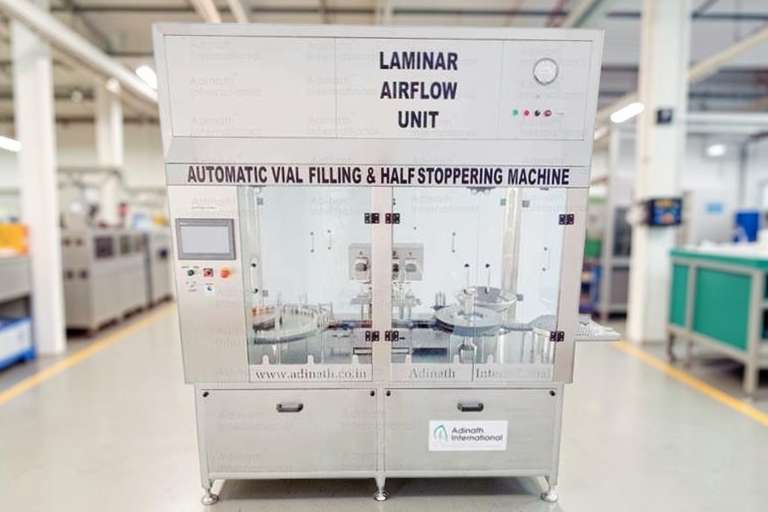
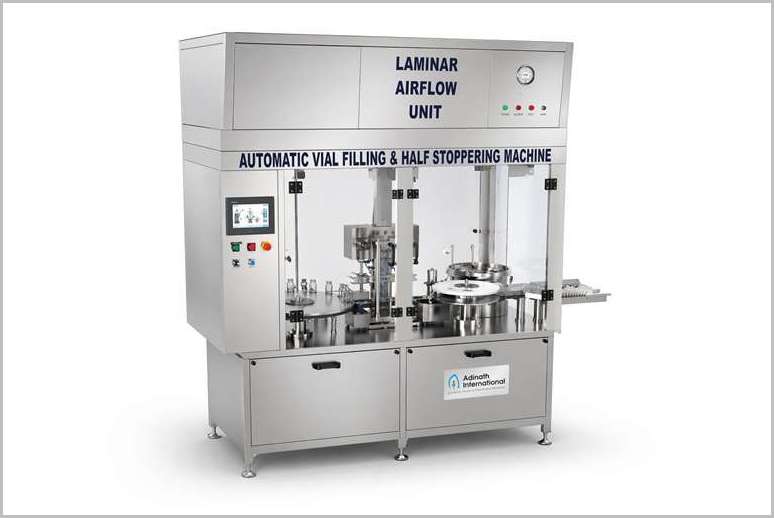
Vial Packaging Machine is a specialized piece of automated equipment primarily used in the pharmaceutical, cosmetic, and chemical industries to handle the filling, sealing, labeling, and final packaging of small glass or plastic vials. These vials are commonly used for storing sterile liquids (e.g., injectables, vaccines), powders, or semi-solids in single- or multi-dose formats. The machines ensure precision, sterility, and compliance with regulatory standards like cGMP (Current Good Manufacturing Practices), minimizing contamination risks and production waste. They are essential for high-volume operations, such as vaccine production or oncology drug packaging, where accuracy is critical.
Our Vial Packaging Machines are reliable and efficient. They use cutting-edge technology. We’ve designed these tools to meet the needs of various industries. They guarantee precise packaging and give unparalleled flexibility. From sterile pharmaceuticals to sensitive cosmetic products – our machines pack all vials consistently. Besides robust performance, we pride ourselves on providing excellent customer support. We are the best choice if you want your vial packaging solutions to be efficient, high-quality, and durable. Drop an inquiry now!
If you need details on specific models, pricing, or comparisons with multi-head machines, let me know!
The machine operates on a continuous or intermittent (indexing) motion principle in a controlled aseptic environment to prevent contamination. Here’s the typical sequence:
The entire process is PLC-controlled with servo motors for precision, speed (up to hundreds of vials per minute), and minimal human intervention.
Model | ALVF-40 | ALVF-80 | ALVF-120 | ALVF – 250 |
Filling Heads | Two | Four | Eight | Twelve |
Production Rate | Up to 40 Vials/Minute | Up to 80 Vials/Minute | Up to 150 Vials/Minute | Up to 250 Vials/Minute |
Vial Diameter | 15mm to 70mm | 15mm to 70mm | 15mm to 70mm | 15mm to 70mm |
Vial Height | 25mm to 140mm | 25mm to 140mm | 25mm to 140mm | 25mm to 140mm |
Filling Precision | ±1% | ±1% | ±1% | ±1% |
Power Required | 1 H.P. | 1.5 H.P. | 2 H.P. | 2 H.P. |
Electrical Characteristics | 440 Volts, 3 Phase, 50 Hertz | 440 Volts, 3 Phase, 50 Hertz | 440 Volts, 3 Phase, 50 Hertz | 440 Volts, 3 Phase, 50 Hertz |
Overall Dimension | 2050mm (L) x 850mm (W) x 1700mm (H) | 2200mm (L) x 850mm (W) x 1700mm (H) | 3000mm (L) x 945mm (W) x 1700mm (H) | 3500mm (L) x 945mm (W) x 1700mm (H) |
* Power voltage can be adjusted as per customer’s domestic power voltage requirements.
* Rights of technical improvements & modification reserved.
* Illustrations & dimensions are shown for information purpose only.
Vial Packaging Machines often integrate multiple stages into a single line or modular system. A typical process flow includes:
A Vial Packaging Machine is a fully automatic or semi-automatic system designed to fill, stopper, cap/seal, inspect, and prepare small glass or plastic vials containing sterile liquids, powders, or semi-solids. It is widely used in the pharmaceutical, biotech, cosmetic, and chemical industries for packaging injectables, vaccines, antibiotics, and other parenteral products. The machine ensures high precision, sterility, and compliance with cGMP, FDA, and EU guidelines while minimizing contamination and product waste.
We offer a range of high-speed models to suit various production needs:
All models handle vial diameters from 15mm to 70mm, heights from 25mm to 140mm, and fill volumes from 2ml to 250ml. Speeds are adjustable via variable frequency drive, and the machines include a digital vial counter for easy monitoring
Our Vial Packaging Machines deliver excellent filling accuracy of ±1% (and up to ±0.5% depending on the pump technology). They can handle a wide range of products, including:
Product contact parts are made of high-quality AISI SS 316L to ensure compatibility and prevent contamination. Features like the “No Vial – No Filling” system further enhance safety and reduce wastage.
Yes. The machine is designed for operation in controlled aseptic environments, including ISO 5 / Class 100 cleanrooms. It supports advanced features such as:
This ensures complete sterility and compliance with stringent pharmaceutical regulations.
The main benefits include:
These features make it ideal for both small-batch clinical trials and large-scale commercial production.
Algeria | Angola | Argentina | Australia | Austria | Bahrain | Bangladesh | Belarus | Belgium | Bolivia | Botswana | Brazil | Bulgaria | Canada | Chile | China | Colombia | Costa Rica | Cuba | Czech Republic | Denmark | Dominican Republic | Ecuador | Egypt | El Salvador | Ethiopia | Finland | France | Germany | Ghana | Greece | Guatemala | Haiti | Honduras | Hong Kong | Hungary | India | Indonesia | Iran | Ireland | Israel | Italy | Ivory Coast | Japan | Jordan | Kazakhstan | Kenya | Kuwait | Lebanon | Libya | Malaysia | Mexico | Mongolia | Morocco | Mozambique | Myanmar | Netherlands | New Zealand | Nicaragua | Nigeria | Norway | Oman | Pakistan | Panama | Paraguay | Peru | Philippines | Poland | Portugal | Qatar | Romania | Russia | Saudi Arabia | Senegal | Slovakia | Singapore | South Africa | South Korea | South Sudan | Spain | Sri Lanka | Sweden | Switzerland | Taiwan | Tanzania | Thailand | Trinidad and Tobago | Tunisia | Turkey | Uganda | Ukraine | United Arab Emirates | United Kingdom | United States | Uruguay | Uzbekistan | Venezuela | Vietnam | Zambia | Zimbabwe
Connect with our engineering team to discuss your specific production requirements. We provide customized, cGMP-compliant machinery solutions designed to optimize your manufacturing facility and maximize output.
©Adinath International | Theme Developed By Pharma Machinery Manufacturer I Website updated on: 09 October 2026
WhatsApp us
