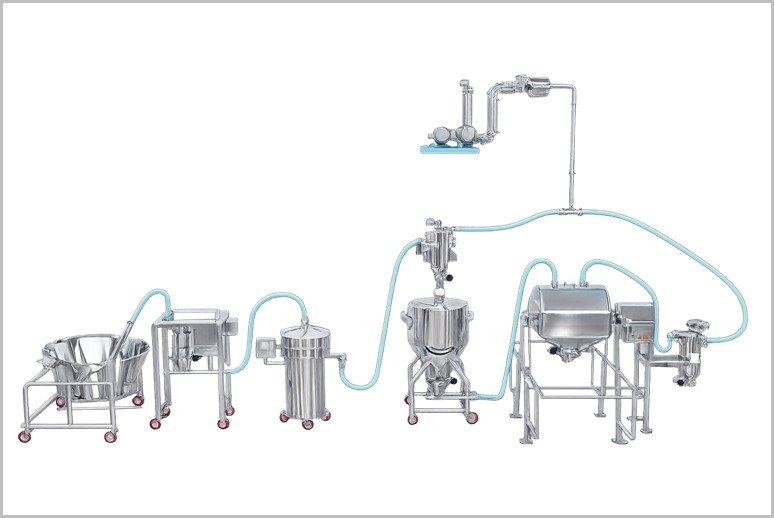
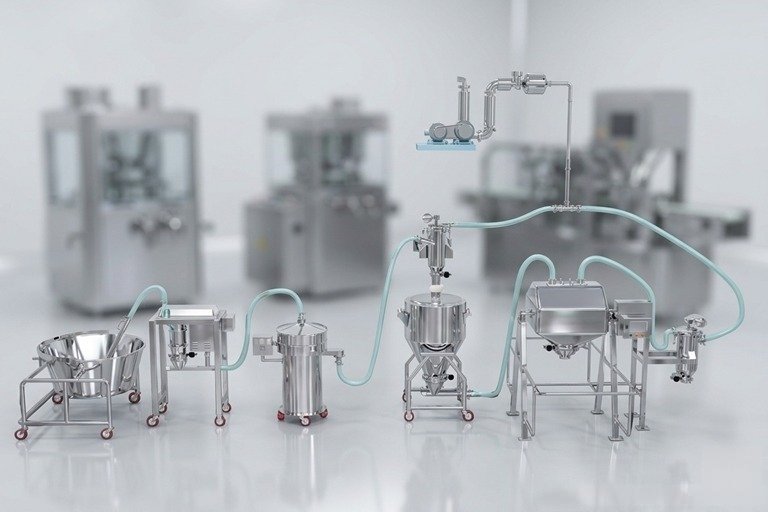
A modern tablet production line, also known as a tablet processing line, integrates a sequence of specialized machines that transform raw pharmaceutical ingredients into finished, packaged tablets ready for market. The core stages typically include sieving, blending, milling, drying, granule formation, lubrication, tablet compression, and tablet blister packaging. Each step is carefully engineered to maintain product integrity, ensure uniform quality, and meet stringent regulatory requirements. Leading manufacturers design these systems so that materials flow efficiently from one process to the next with minimal human intervention, reducing contamination risks and improving overall productivity.
Adinath International supplies comprehensive tablet compression lines suitable for both dry granulation and wet granulation methods. Dry granulation is ideal when active ingredients are sensitive to moisture or heat, relying on compaction and milling to form granules without liquids. Wet granulation, by contrast, uses a binder solution to agglomerate powders, followed by drying to achieve the desired moisture content and particle characteristics. Both approaches demand precise control of particle size, density, and flow properties so that the final tablets exhibit consistent hardness, disintegration time, and dissolution profiles.
Every machine in these lines is manufactured to satisfy current Good Manufacturing Practice (cGMP) standards. cGMP compliance covers material of construction (typically stainless steel contact parts), cleanability, documentation, process validation support, and design features that prevent cross-contamination. Operators benefit from user-friendly interfaces, recipe management systems, and built-in safety interlocks that protect both product and personnel. These design principles reflect deep industry expertise and long-term practical experience in serving pharmaceutical, nutraceutical, and Ayurvedic manufacturers worldwide.
The Adinath range includes two primary configurations to match different production scales and business needs. The Small Production Tablet Line is engineered for research and development, pilot batches, and lower-volume commercial manufacturing. It offers flexibility, compact footprint, and easier changeover between products—valuable attributes for companies that frequently introduce new formulations or operate in regulated markets with diverse SKUs. In contrast, the High-Speed Tablet Production Line is optimized for large-scale continuous or semi-continuous output. High-speed tablet presses, efficient granulation systems, and automated blister packaging stations work in concert to deliver elevated throughput while maintaining tight control over critical quality attributes.
Sieving and blending establish uniformity of the powder mix. Milling adjusts particle size distribution for optimal flow and compressibility. Drying removes residual moisture after wet granulation, and subsequent granule formation and lubrication prepare the material for the compression stage. Tablet compression itself is performed on rotary presses capable of producing thousands of tablets per minute with precise weight control. Finally, blister packaging machines form, fill, and seal tablets into protective cavities, often with integrated printing, inspection, and serialization options that support traceability requirements.
By integrating these operations into a cohesive tablet production line, manufacturers reduce handling steps, improve yield, and strengthen batch-to-batch consistency. The combination of technical precision, regulatory alignment, and scalable options demonstrates the manufacturer’s authority in pharmaceutical equipment design. Customers gain access to machinery backed by process knowledge, after-sales support, and a track record of successful installations—elements that collectively build trustworthiness and long-term partnership value.
Whether a facility requires a compact small-production solution or a high-capacity continuous line, a well-engineered tablet processing system supporting both dry and wet granulation pathways remains essential for efficient, compliant tablet manufacturing. Choosing equipment that fully meets cGMP expectations and is supplied by an experienced specialist helps pharmaceutical companies maintain quality, accelerate time-to-market, and operate with greater confidence in regulated environments.
Pharmaceutical tablet production begins with active pharmaceutical ingredients (APIs) in powdered, crystalline, or granular form. These may be compressed alone or combined with carefully selected excipients such as lubricants, diluents, binders, disintegrants, flavours, colourants, and controlled-release polymers to achieve the desired tablet performance.
Three primary, industry-validated methods are used: wet granulation, dry granulation, and direct compression. Selection depends on the API’s physicochemical properties, formulation goals, and production scale. Each technique is supported by decades of pharmaceutical process expertise and is designed to meet strict quality and regulatory expectations, ensuring consistent, safe, and effective tablets.
The most popular approach for producing tablets is this one. The granules are bound to an appropriate binder via “adhesion” in this method. The binder is diluted with an appropriate solvent to produce wet granules prior to being added to the blended powders. The solvent is subsequently removed from these granules by properly drying them to produce dried granules. The primary causes of the initial granule production are capillary pressure and surface tension forces. The main advantage is that it fulfils all conditions for tablet formation, even though process is multistage and time-consuming.
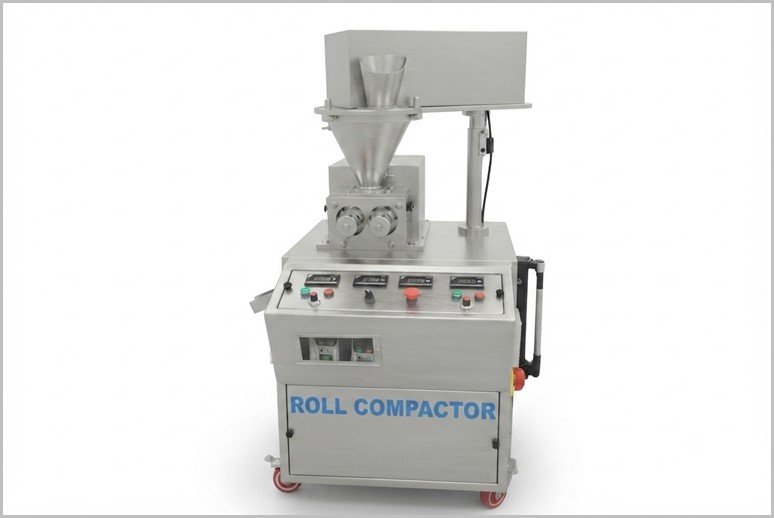
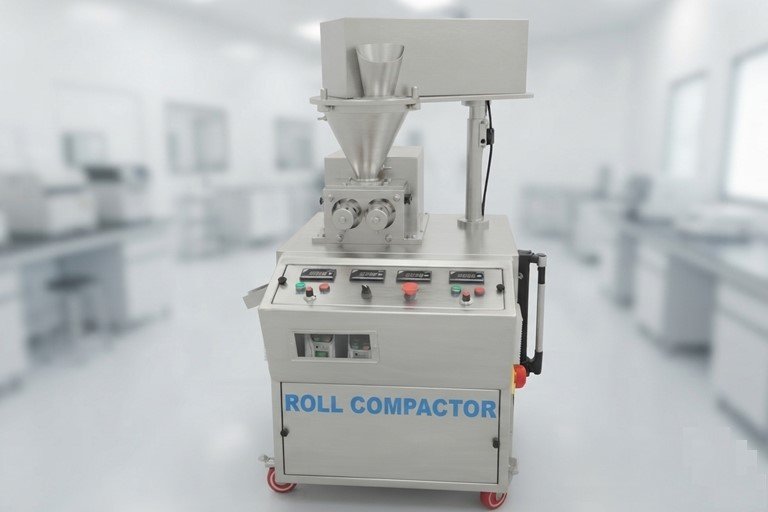
By using the dry granulation process, granules can be created without a liquid solution. This type of process is recommended for products that are sensitive to moisture and heat. To create granules without the requirement for moisture, the powders must be compressed and solidified. For dry granulation, a tablet press can be equipped with slugging tools. Large-scale roller compactors are often referred to as “powder compacting.” The process of compacting a mass known as slugs is called slugging. The slugs undergo additional processing or screening to produce granular tablet materials with improved flow properties over the initial powder mixture. The main advantage of dry granulation is that, in contrast to the drying and wet massing stages of the wet granulation process, it requires less equipment and does not require the input of heat or moisture. Oral solid dosage forms, such as tablets, are created by a complex, multi-stage process that necessitates multiple physical changes from the initial components to the final dose form. Compactibility and fluidity are two crucial formulation characteristics that are imparted by the conventional granulation process of tablet manufacturing. Both wet and dry granulation, or roll compaction and slugging, are used. Whether tablets are made by granulation or direct compression, the first stage, milling and mixing, is the same; the subsequent processes differ. A variety of unit processes, including particle sizing and reduction, mixing, granulating, drying, compaction, and (sometimes) coating, are involved in the production of tablets. Stability, bioavailability, and content uniformity could be greatly impacted by several factors associated with these processes.
The tablets are made by physically compressing the powdered materials without altering their physical composition. Direct compression is usually utilised for crystalline materials that have good physical properties like flow and compressibility. Direct compression’s primary advantages are its low cost, operational safety, and time savings.
Tablet Production Line generally consist below mentioned functions and equipment’s. We are giving here below step-by-step tablet processing flow chart with machine details:
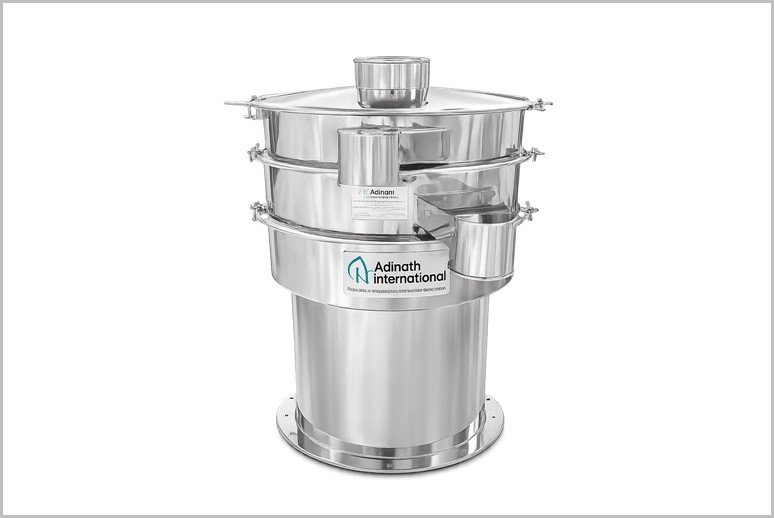
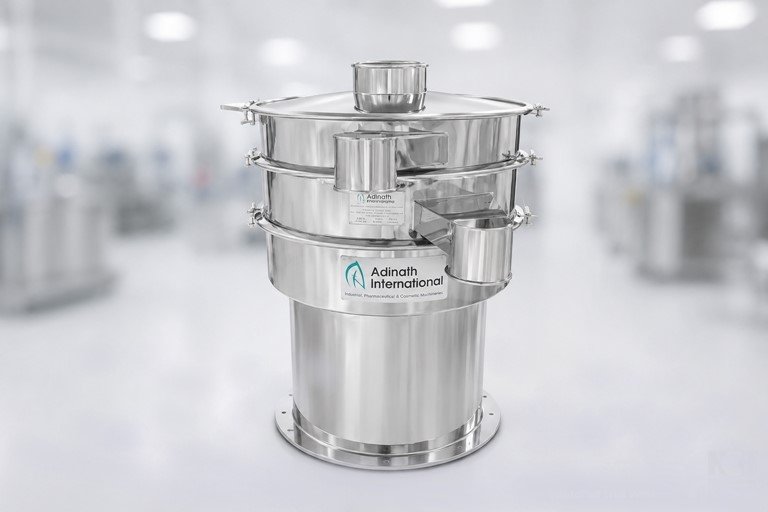
The Vibro Sifter, also called a vibrating sieve unit, consists of a vibrating motor and a circular pre-tensioned screen placed on a frame. The vibrating motor generates vibrations in the screen due to the eccentric weights rotating in three planes. The proper springs sustain the entire system, enabling it to vibrate independently of the foundations.
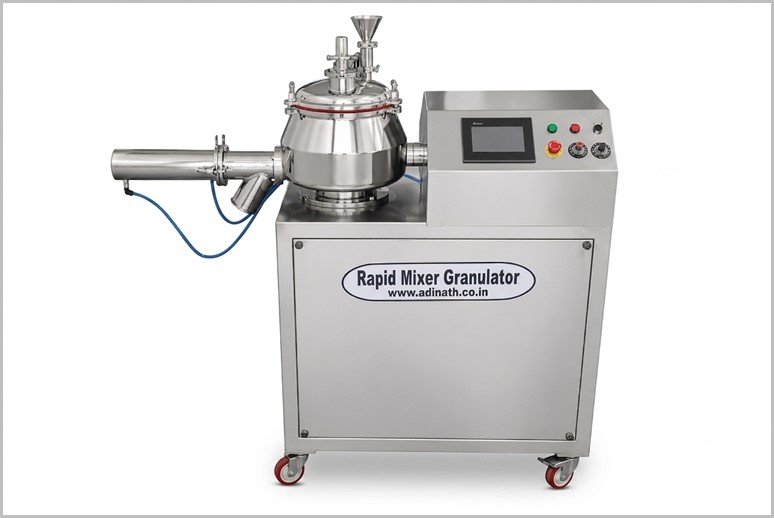
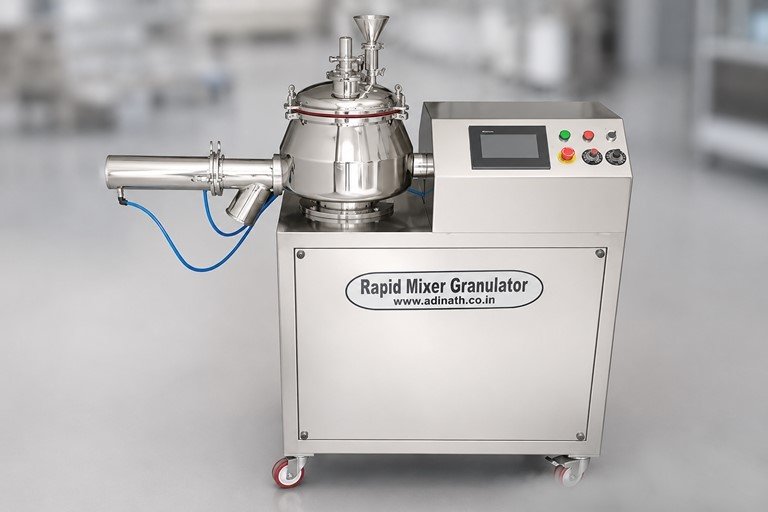
The Rapid Mixer Granulator is designed to save processing time, offer more consistent and homogenous granule mixing at reduced operating costs, and—above all—maintain improved sanitary compliance with cGMP standards. Two essential components that are required for the intimate mixing process form the basis of the Rapid Mixer Granulator’s operation. 1. spinning close to the bottom of the mixing bowl; 2. The mixture rises in a whirl due to the impeller.
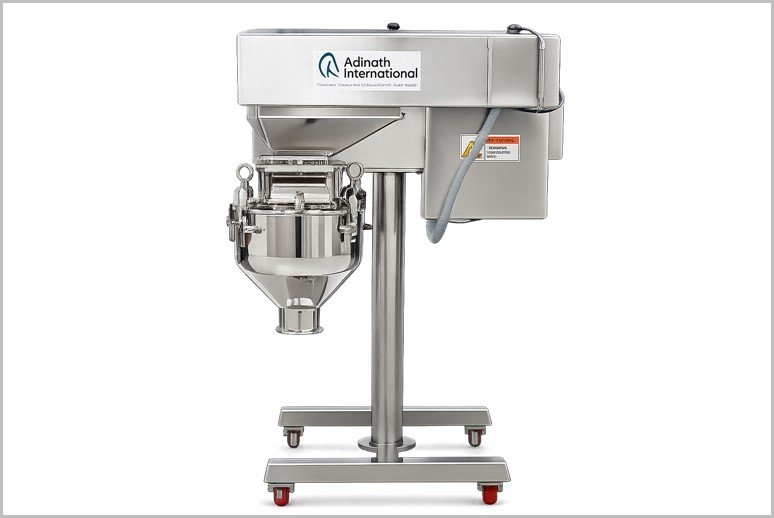
Without the need for further attachments, Multi Mill is a portable, self-contained device that can swiftly and effectively chop, shred, mix, and granulate a variety of wet and dry materials. Unlike the four common principles of size reduction—grinding, compression, impact, and shearing—which often fail to produce controlled size reduction, this machine uses the principle of variable force swing hammer blades with both knife and impact edges rotating with a carefully chosen screen. In a vertical rotor machine, the material flow path is optimised. Material entering the chamber travels to the periphery and passes through the screen tangentially and radially to avoid chocking and temperature rise during comminution.
Key Functions:

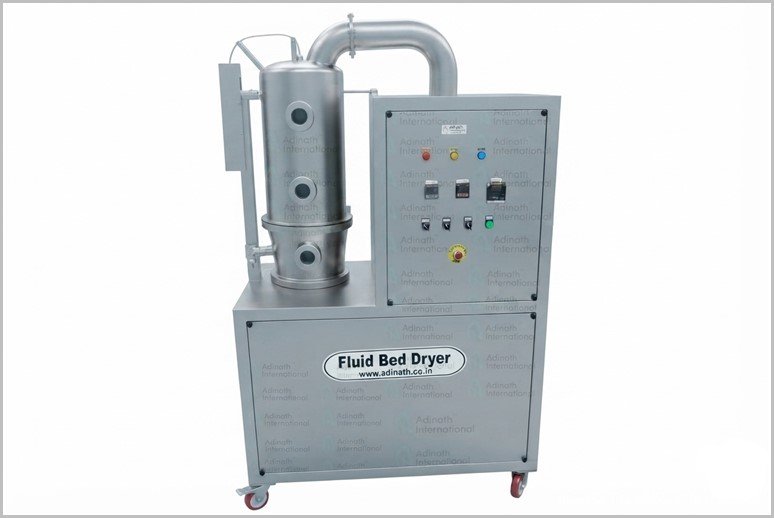
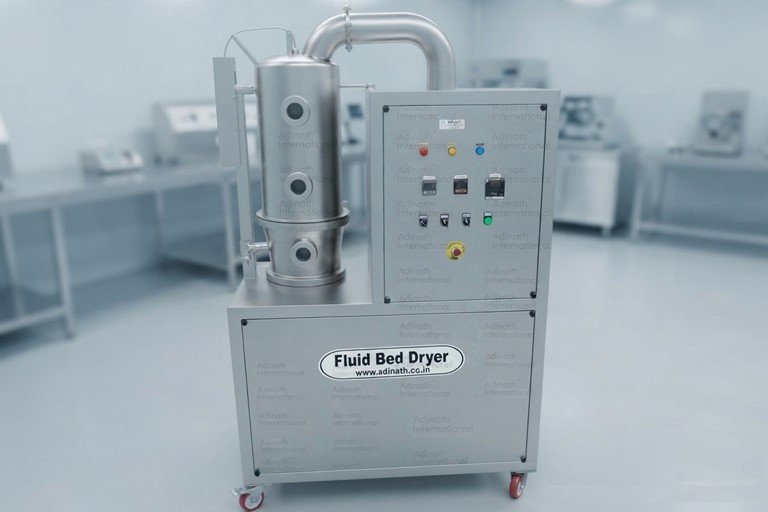
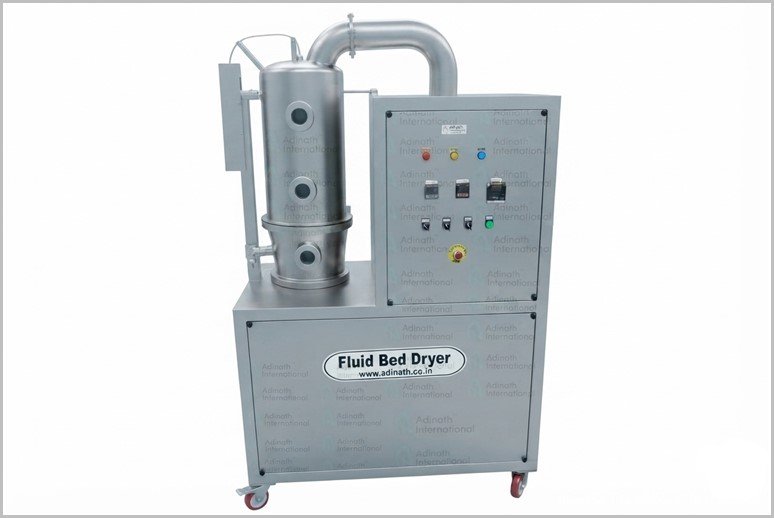
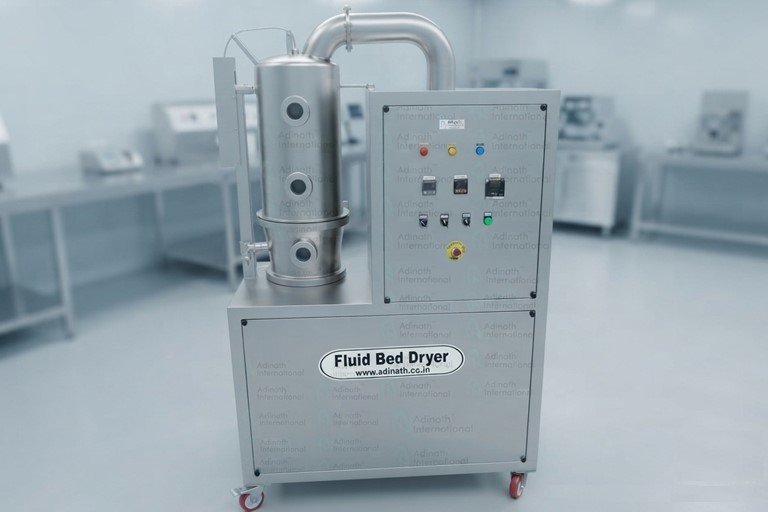
Fluid bed dryers are used to dry materials uniformly at low temperatures. Fluid bed dryers are made of GMP-compliant stainless steel 304/316. The entire machine comes with an appropriate motor, blower, filters, filter bag, and control panel. Heating system provided in compliance with unique client requirements.
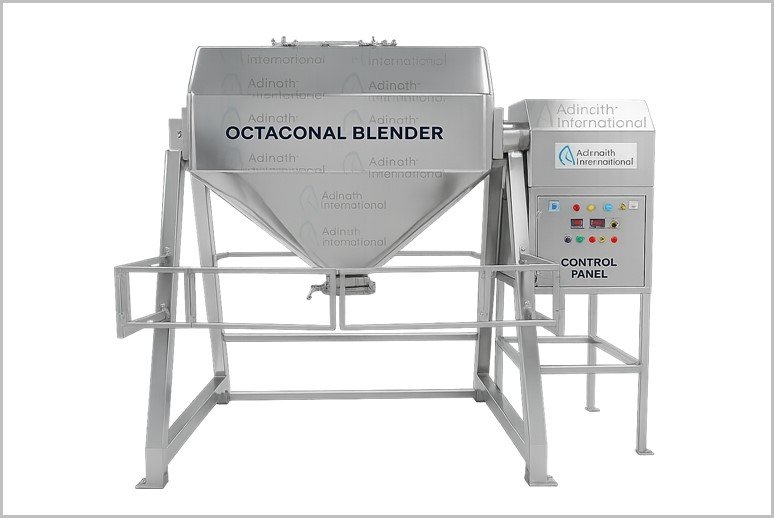
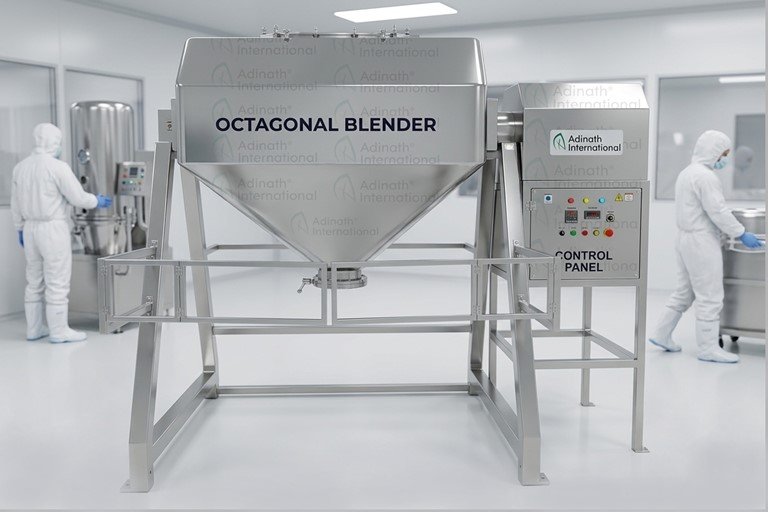
An octagonal blender, sometimes known as an octagonal mixer, is a device that can be used to mix granular materials. The equipment offers a great lot of operational versatility and is simple to maintain and clean. The machine’s simple construction and GMP-compliant design further improve its functionality. The Octagonal Blender is a versatile and efficient blending instrument for evenly combining and lubricating dry granules. Fill the Cone Blender to two thirds of its capacity to ensure proper mixing.
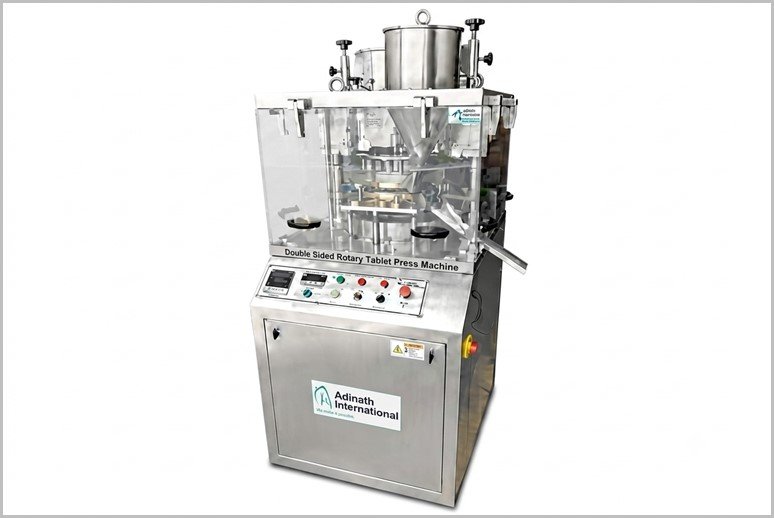
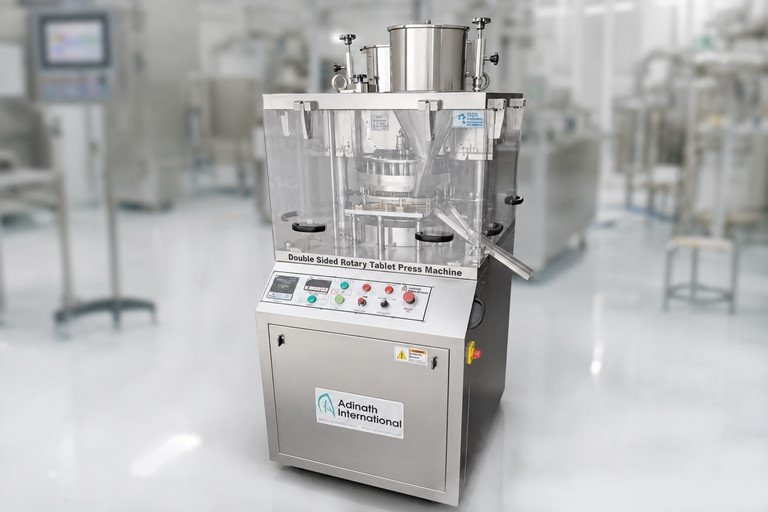
Our range of tablet compression equipment includes single and double rotating tablet presses with hygienic features. Our Square GMP Model is also referred to as a single and double rotational tablet press machine and is frequently used for producing big tablets. We create 8 station, 10 station, 12 station, 16 station, 27 station, and 35 station rotary tableting machines based on the requirements of the chemical and pharmaceutical industries.
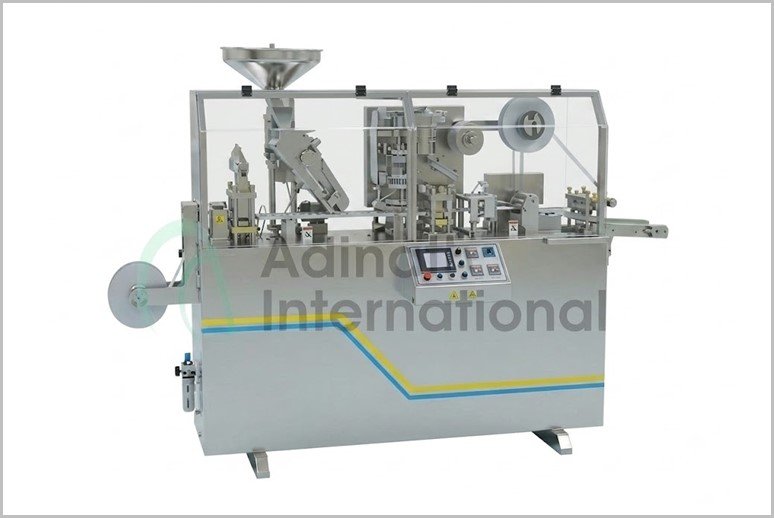
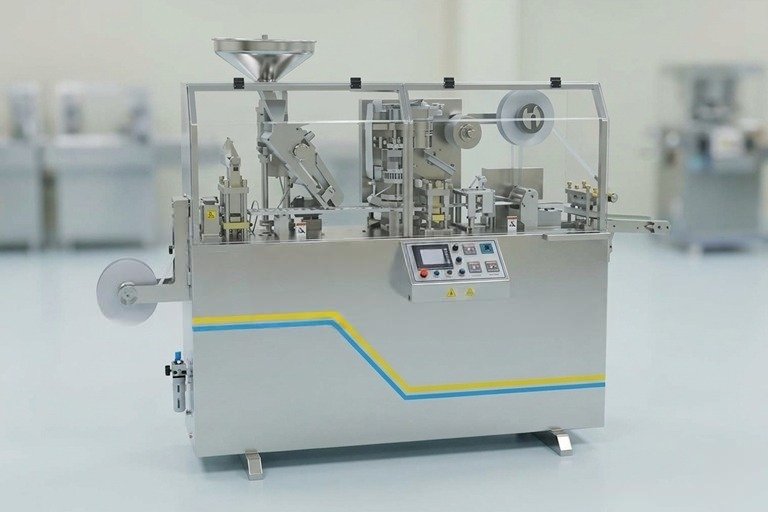
An automatic blister packaging machine is used to package the tablets and capsules in blister packs. Because of our machines’ outstanding quality, durability, performance, and cost, the pharmaceutical industry, regardless of size, can tremendously benefit from them.
A modern tablet production line (also called a tablet processing line) integrates a sequence of specialized machines that convert raw pharmaceutical ingredients into finished, packaged tablets. Core stages typically include sieving, blending, milling, drying, granule formation, lubrication, tablet compression, and blister packaging. The systems are designed for efficient material flow with minimal human intervention to reduce contamination risks and improve productivity while meeting regulatory standards.
Three primary industry-validated methods are used: wet granulation, dry granulation, and direct compression. The choice depends on the API’s physicochemical properties, formulation goals, and production scale. Wet granulation is the most popular approach; dry granulation is preferred for moisture- or heat-sensitive materials; and direct compression is used for crystalline materials with good flow and compressibility.
Wet granulation uses a binder solution to agglomerate powders, followed by drying to achieve the desired moisture content and particle characteristics. It improves flow, compressibility, content uniformity, and controls dissolution while reducing dust. Dry granulation creates granules without liquid by compacting and milling (via slugging or roller compaction). It is ideal for moisture- and heat-sensitive products, requires less equipment, and avoids heat or moisture input.
Key machines include Multi Mill, Vibro Sifter, Fluid Bed Dryer, Rapid Mixer Granulator, Octagonal Blender, Tablet Compression Machine, Blister Packaging Machine, and equipment supporting dry or wet granulation and direct compression. Additional units often cover dust extraction, de-dusting, and optional coating.
Typical steps are:
Direct compression involves physically compressing powdered materials without altering their physical composition. It is typically used for crystalline materials with good flow and compressibility. Primary advantages include lower cost, greater operational safety, and significant time savings compared to granulation processes.
Yes. Every machine is manufactured to satisfy current Good Manufacturing Practice (cGMP) standards. This covers stainless-steel contact parts, cleanability, documentation, process validation support, and design features that prevent cross-contamination. Systems include user-friendly interfaces, recipe management, and safety interlocks.
Two primary configurations are offered:
These lines serve the Pharmaceutical, Nutraceutical, Herbal, Ayurvedic, Biotech, Cosmetic, and Chemical industries.
Integration reduces handling steps, improves yield, and strengthens batch-to-batch consistency. Manufacturers gain better control over critical quality attributes (hardness, disintegration, dissolution), lower contamination risk, higher productivity, and compliance with regulatory expectations. Equipment from experienced suppliers also provides process knowledge, after-sales support, and reliable installations.
More Pharmaceutical Filling Lines
 Automatic Tablet Bottle Counting Filling Line
 Capsule Production Line
 Shampoo Production Line
 Ampoule Filling Line
Algeria | Angola | Argentina | Australia | Austria | Bahrain | Bangladesh | Belarus | Belgium | Bolivia | Botswana | Brazil | Bulgaria | Canada | Chile | China | Colombia | Costa Rica | Cuba | Czech Republic | Denmark | Dominican Republic | Ecuador | Egypt | El Salvador | Ethiopia | Finland | France | Germany | Ghana | Greece | Guatemala | Haiti | Honduras | Hong Kong | Hungary | India | Indonesia | Iran | Ireland | Israel | Italy | Ivory Coast | Japan | Jordan | Kazakhstan | Kenya | Kuwait | Lebanon | Libya | Malaysia | Mexico | Mongolia | Morocco | Mozambique | Myanmar | Netherlands | New Zealand | Nicaragua | Nigeria | Norway | Oman | Pakistan | Panama | Paraguay | Peru | Philippines | Poland | Portugal | Qatar | Romania | Russia | Saudi Arabia | Senegal | Slovakia | Singapore | South Africa | South Korea | South Sudan | Spain | Sri Lanka | Sweden | Switzerland | Taiwan | Tanzania | Thailand | Trinidad and Tobago | Tunisia | Turkey | Uganda | Ukraine | United Arab Emirates | United Kingdom | United States | Uruguay | Uzbekistan | Venezuela | Vietnam | Zambia | Zimbabwe
Connect with our engineering team to discuss your specific production requirements. We provide customized, cGMP-compliant machinery solutions designed to optimize your manufacturing facility and maximize output.
©Adinath International | Theme Developed By Pharma Machinery Manufacturer I Website updated on: 15 October 2026
Request A Quick Quote
Tablet Production Line
Please drop your requirements, one of our technical expert will contact you in next 24 working hours.
WhatsApp us
