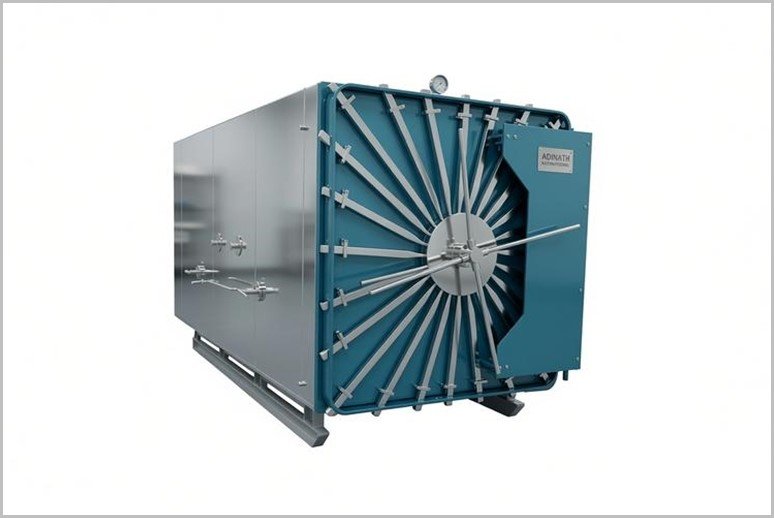
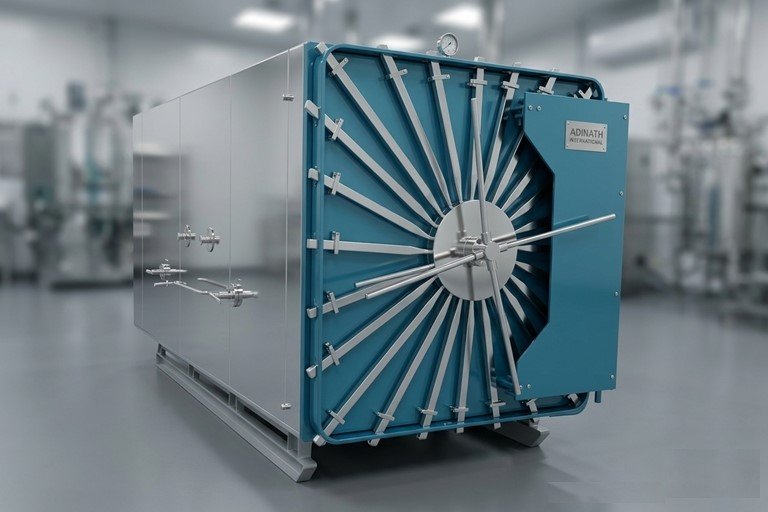
A Sliding Door ETO Sterilizer is a robust, industrial-grade sterilization system that utilizes ethylene oxide (EO/ETO) gas for low-temperature sterilization. Designed specifically for high-throughput environments, these chambers feature automated pneumatic or motorized sliding doors (available in vertical or horizontal configurations) that deliver superior operational efficiency, operator safety, and space optimization compared to traditional hinged-door autoclaves.
The sliding door mechanism represents a significant engineering advancement in ethylene oxide sterilization technology. Unlike conventional swing doors, sliding doors move smoothly along tracks and use high-performance inflatable seals to create a completely airtight chamber. This design minimizes the risk of ethylene oxide leaks during the sterilization cycle while enabling hands-free operation. In busy central sterile service departments (CSSD), pharmaceutical facilities, and medical device manufacturing plants, the automated sliding system reduces physical strain on staff, speeds up loading and unloading, and maximizes floor space utilization.
Experts with years of experience in sterile processing consistently recommend sliding door ETO sterilizers for facilities handling large volumes of heat- and moisture-sensitive materials. The system operates effectively at low temperatures (typically 30–60°C) and controlled humidity, making it ideal for delicate items that cannot withstand steam autoclaving or high-heat processes.
Why Sliding Door Design Matters in ETO Sterilization
The sliding door mechanism represents a significant engineering advancement in ethylene oxide sterilization technology. Unlike conventional swing doors, sliding doors move smoothly along tracks and use high-performance inflatable seals to create a completely airtight chamber. This design minimizes the risk of ethylene oxide leaks during the sterilization cycle while enabling hands-free operation. In busy central sterile service departments (CSSD), pharmaceutical facilities, and medical device manufacturing plants, the automated sliding system reduces physical strain on staff, speeds up loading and unloading, and maximizes floor space utilization.
Experts with years of experience in sterile processing consistently recommend sliding door ETO sterilizers for facilities handling large volumes of heat- and moisture-sensitive materials. The system operates effectively at low temperatures (typically 30–60°C) and controlled humidity, making it ideal for delicate items that cannot withstand steam autoclaving or high-heat processes.
Leading manufacturers of sliding door ETO sterilizers incorporate multiple layers of protection:
These features reflect the expertise and commitment to safety that distinguish high-quality systems from standard equipment. Proper validation, biological indicator testing, and detailed cycle documentation further ensure traceability and regulatory compliance.
A Sliding Door ETO Sterilizer is an industrial-grade, low-temperature sterilization system that uses ethylene oxide (EO/ETO) gas. It features automated pneumatic or motorized sliding doors (vertical or horizontal) designed for high-throughput environments such as pharmaceutical facilities, CSSDs, and medical device manufacturing plants.
Sliding doors move smoothly along tracks and use high-performance inflatable seals to create a completely airtight chamber. This minimizes ethylene oxide leak risk, enables hands-free operation, reduces physical strain on staff, speeds loading/unloading, and optimizes cleanroom floor space by eliminating the swing radius of hinged doors.
It operates effectively at low temperatures, typically between 30–60°C, with controlled humidity. This makes it ideal for heat- and moisture-sensitive materials that cannot withstand steam autoclaving or high-heat processes.
Key safety elements include an automated pressure-responsive inflatable silicone gasket that locks the door tightly, dual-rail mechanical latches and electronic sensors that prevent opening while the chamber is pressurized or contains toxic gas, and an immediate automated vacuum evacuation of the door seal zone if a pressure drop is detected (redirecting any stray gas to the catalytic converter).
The flush-mounted threshold design eliminates traditional high steps, allowing heavy loading carts to glide smoothly into the chamber without jarring or tipping, which improves ergonomics and reduces the risk of load damage or operator injury.
A continuous multi-color LED light strip embedded along the door frame visually communicates the current sterilization phase—loading, sterilizing, aerating, or safe-to-open—helping operators monitor status at a glance.
These systems are widely used in the pharmaceutical, nutraceutical, herbal, Ayurvedic, biotech, cosmetic, and chemical industries, particularly for sterilizing large volumes of heat- and moisture-sensitive items.
Leading models incorporate automated door interlocks, advanced gas monitoring and leak detection systems, efficient aeration phases to remove residual ETO, and programmable logic controllers (PLC) with touchscreen interfaces for precise cycle management and documentation.
Yes. High-quality systems are designed for compliance with international standards including ISO 11135, EU MDR, and FDA guidelines. Proper validation, biological indicator testing, and detailed cycle documentation further support regulatory traceability.
Experts recommend it for facilities handling large volumes of sensitive materials because the automated sliding system improves operator safety, accelerates throughput, maximizes floor-space utilization, and provides superior leak prevention compared with conventional swing-door designs.
Algeria | Angola | Argentina | Australia | Austria | Bahrain | Bangladesh | Belarus | Belgium | Bolivia | Botswana | Brazil | Bulgaria | Canada | Chile | China | Colombia | Costa Rica | Cuba | Czech Republic | Denmark | Dominican Republic | Ecuador | Egypt | El Salvador | Ethiopia | Finland | France | Germany | Ghana | Greece | Guatemala | Haiti | Honduras | Hong Kong | Hungary | India | Indonesia | Iran | Ireland | Israel | Italy | Ivory Coast | Japan | Jordan | Kazakhstan | Kenya | Kuwait | Lebanon | Libya | Malaysia | Mexico | Mongolia | Morocco | Mozambique | Myanmar | Netherlands | New Zealand | Nicaragua | Nigeria | Norway | Oman | Pakistan | Panama | Paraguay | Peru | Philippines | Poland | Portugal | Qatar | Romania | Russia | Saudi Arabia | Senegal | Slovakia | Singapore | South Africa | South Korea | South Sudan | Spain | Sri Lanka | Sweden | Switzerland | Taiwan | Tanzania | Thailand | Trinidad and Tobago | Tunisia | Turkey | Uganda | Ukraine | United Arab Emirates | United Kingdom | United States | Uruguay | Uzbekistan | Venezuela | Vietnam | Zambia | Zimbabwe
Connect with our engineering team to discuss your specific production requirements. We provide customized, cGMP-compliant machinery solutions designed to optimize your manufacturing facility and maximize output.
©Adinath International | Theme Developed By Pharma Machinery Manufacturer I Website updated on: 15 October 2026
Request A Quick Quote
Sliding Door ETO Sterilizer
Please drop your requirements, one of our technical expert will contact you in next 24 working hours.
WhatsApp us


