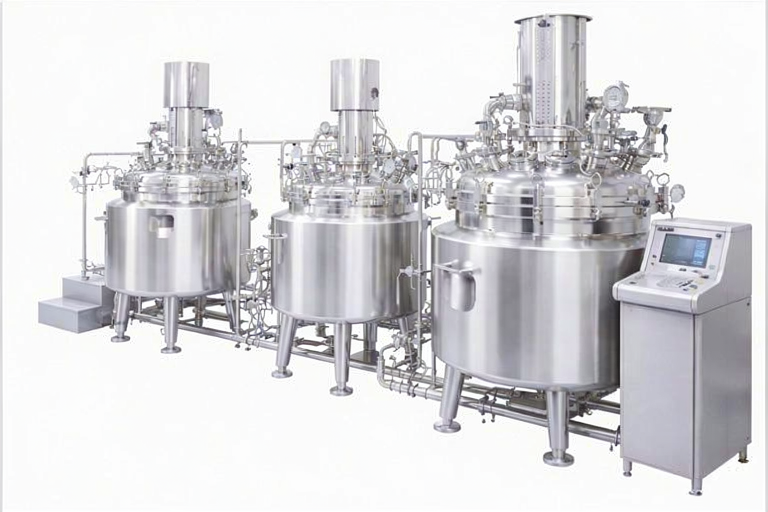
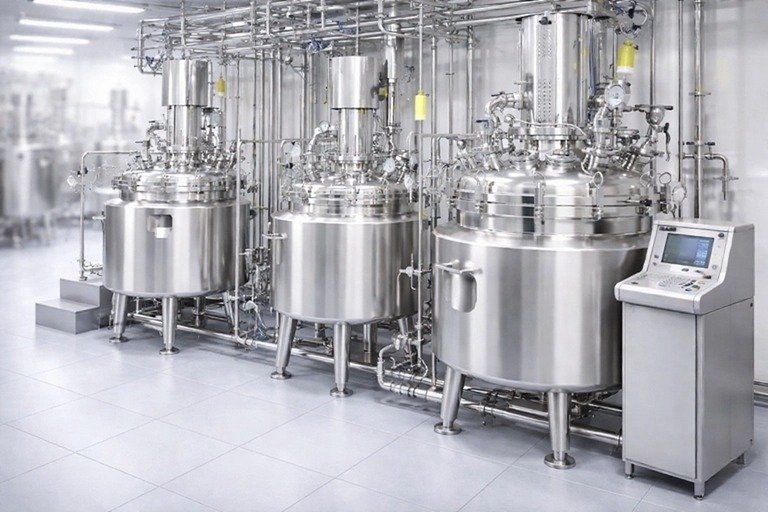
Injectable Manufacturing Plant produces sterile parenteral drugs, such as vaccines, antibiotics, and biologics, administered via injection to bypass the body’s natural barriers and ensure rapid efficacy. These facilities must prioritize sterility to prevent contamination risks like infections or sepsis, operating under stringent regulations like FDA’s Current Good Manufacturing Practice in 21 CFR Parts 210 and 211, which cover everything from personnel training to equipment validation. Compliance also includes USP standards for visible particulates and microbial control, with holistic risk-based approaches for aseptic processing.
If you need details on specific models and pricing, let me know!
Two primary approaches ensure sterility:
An Injectable Manufacturing Plant is a specialized sterile facility designed to produce parenteral drugs such as vaccines, antibiotics, biologics, and other injectables. It ensures high sterility standards to prevent contamination, operating under strict regulations like FDA cGMP, USP, and aseptic processing guidelines for safe and effective injectable products.
Key equipment includes compounding vessels and mixers, sterile filtration systems, autoclaves/sterilizers, aseptic filling lines (for vials, ampoules, and pre-filled syringes), lyophilizers, capping/sealing machines, inspection systems, and supporting utilities like WFI (Water for Injection) systems and cleanroom HVAC.
The two main approaches are Terminal Sterilization (post-filling sterilization for heat-stable products, more cost-effective) and Aseptic Processing (maintaining sterility throughout for sensitive biologics and heat-labile drugs using cleanrooms and sterile techniques).
The process involves formulation development, sterile compounding, filtration and sterilization, aseptic filling and sealing in controlled environments (ISO 5 cleanrooms), optional lyophilization, visual inspection, and rigorous quality control testing for sterility, endotoxins, and potency.
These plants are primarily used in the Pharmaceutical and Biotech industries. They support production of sterile injectables for human and veterinary use, meeting high regulatory standards for safety and efficacy.
More Manufacturing Plants
 Alkyd Resin Manufacturing Plant
 Cosmetic Manufacturing Plant
 Cream Manufacturing Plant
 Liquid Manufacturing Plant
Algeria | Angola | Argentina | Australia | Austria | Bahrain | Bangladesh | Belarus | Belgium | Bolivia | Botswana | Brazil | Bulgaria | Canada | Chile | China | Colombia | Costa Rica | Cuba | Czech Republic | Denmark | Dominican Republic | Ecuador | Egypt | El Salvador | Ethiopia | Finland | France | Germany | Ghana | Greece | Guatemala | Haiti | Honduras | Hong Kong | Hungary | India | Indonesia | Iran | Ireland | Israel | Italy | Ivory Coast | Japan | Jordan | Kazakhstan | Kenya | Kuwait | Lebanon | Libya | Malaysia | Mexico | Mongolia | Morocco | Mozambique | Myanmar | Netherlands | New Zealand | Nicaragua | Nigeria | Norway | Oman | Pakistan | Panama | Paraguay | Peru | Philippines | Poland | Portugal | Qatar | Romania | Russia | Saudi Arabia | Senegal | Slovakia | Singapore | South Africa | South Korea | South Sudan | Spain | Sri Lanka | Sweden | Switzerland | Taiwan | Tanzania | Thailand | Trinidad and Tobago | Tunisia | Turkey | Uganda | Ukraine | United Arab Emirates | United Kingdom | United States | Uruguay | Uzbekistan | Venezuela | Vietnam | Zambia | Zimbabwe
Connect with our engineering team to discuss your specific production requirements. We provide customized, cGMP-compliant machinery solutions designed to optimize your manufacturing facility and maximize output.
©Adinath International | Theme Developed By Pharma Machinery Manufacturer I Website updated on: 15 October 2026
Request A Quick Quote
Injectable Manufacturing Plant
Please drop your requirements, one of our technical expert will contact you in next 24 working hours.
WhatsApp us
