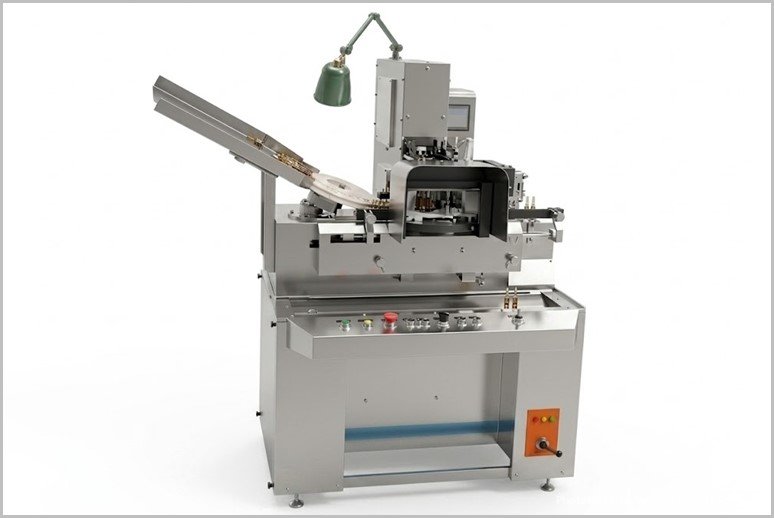
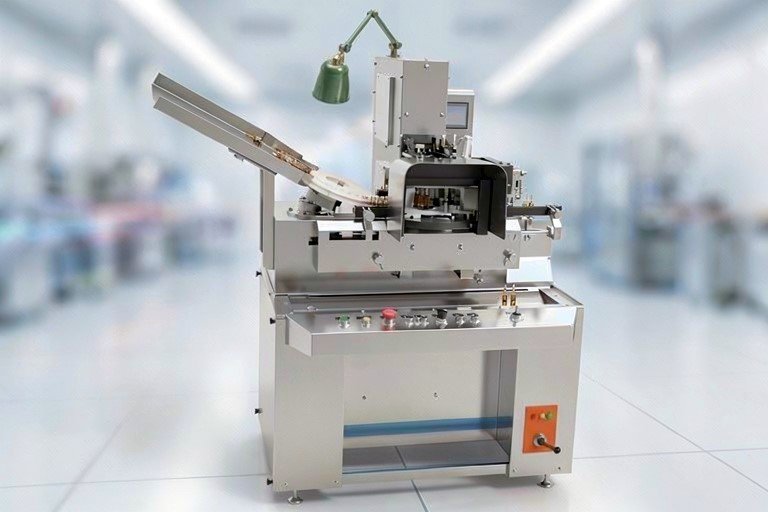
In the highly regulated pharmaceutical manufacturing industry, maintaining the highest standards of product quality is non-negotiable. An Automatic Ampoule Inspection Machine plays a critical role in this process. This advanced pharmaceutical equipment is specifically designed to inspect sealed glass ampoules containing injectable liquids for any defects, contaminants, or imperfections that could compromise drug safety. By automating the inspection after the filling and sealing stages, these machines help manufacturers meet stringent regulatory requirements while protecting patient health.
An automatic ampoule inspection machine is a sophisticated piece of pharmaceutical inspection equipment engineered to detect a wide range of issues in sealed glass ampoules. These include particulate matter, glass fragments, cosmetic defects on the ampoule surface, improper sealing, discoloration, or fill volume inconsistencies. Using high-speed cameras, advanced lighting systems (such as LED or backlight illumination), and intelligent image processing algorithms, the machine examines each ampoule with remarkable precision and speed—often processing hundreds of units per minute.
Unlike manual inspection, which is prone to human error and fatigue, automatic systems deliver consistent, repeatable results. Modern machines incorporate AI-powered vision technology and machine learning to differentiate between acceptable variations and critical defects, significantly reducing false rejects while maintaining zero tolerance for safety issues.
When selecting an automatic ampoule inspection machine, pharmaceutical manufacturers should consider factors such as production volume, ampoule specifications, integration with existing filling lines, validation support, and after-sales service. Reputable suppliers offer IQ/OQ/PQ validation documentation to ensure seamless regulatory approval.
In an era where pharmaceutical quality standards continue to evolve, an automatic ampoule inspection machine is no longer a luxury—it is an essential component of modern sterile manufacturing. By combining cutting-edge vision technology with robust engineering, these systems help ensure that every injectable product meets the highest standards of safety, efficacy, and quality.
Whether you are upgrading your existing production line or setting up a new facility, incorporating a reliable automatic ampoule inspection solution is one of the smartest decisions for long-term success in the competitive pharmaceutical landscape.
Ampoule Inspection Process
Model | AVIM-300 |
Capacity | 300 Ampoules/Minute |
Electrical Specification | – |
Line Voltage | 415 V, 3 Phase, 50 Hz |
Installed Power | 3 H.P. |
Input Specification | – |
Diameter | 9mm to 12mm |
Height | 40mm to 60mm |
* Power voltage can be adjusted as per customer’s domestic power voltage requirements.
* Rights of technical improvements & modification reserved.
* Illustrations & dimensions are shown for information purpose only.
Today’s automatic ampoule inspection machines come equipped with several advanced features:
These features make the equipment versatile for both small-batch and large-scale pharmaceutical production environments.
It is advanced pharmaceutical equipment designed to inspect sealed glass ampoules containing injectable liquids for defects, contaminants, or imperfections (such as particulate matter, glass fragments, cosmetic surface defects, improper sealing, discoloration, or fill-volume inconsistencies) that could compromise drug safety. It uses high-speed cameras, advanced lighting (LED or backlight), and intelligent image-processing algorithms, often with AI-powered vision and machine learning, to examine ampoules precisely and at high speed.
Manual inspection is prone to human error and fatigue. Automatic systems deliver consistent, repeatable results, reduce false rejects while maintaining zero tolerance for critical safety issues, and process hundreds of units per minute—far exceeding manual throughput.
It detects suspended particles, fill-volume inconsistencies, glass fragments, cosmetic defects on the ampoule surface, improper sealing, and discoloration. Detection is supported by polarized light and dual inspection of each ampoule.
Ampoules are loaded onto an inclined infeed conveyor, transferred by a starwheel into a revolving inspection drum with two spinning stations and two inspection stations. Each ampoule is inspected twice (primary and re-inspection), then transferred via another starwheel to a linear screw mechanism. An automated sorter directs good and defective ampoules into separate outfeed hoppers.
Key features include suspended-particle and fill-volume checks, double inspection of every ampoule, cost-effective and space-saving design, polarized-light detection, built-in validation parameter settings with easy product changeover, and online data logging.
The AVIM-300 model has a capacity of 300 ampoules per minute. It operates on 415 V, 3-phase, 50 Hz power with 3 HP installed power. It handles ampoules with diameters of 9–12 mm and heights of 40–60 mm (power voltage can be adjusted to customer requirements).
It minimizes the risk of contaminated or defective injectables reaching patients, dramatically increases inspection throughput versus manual methods, reduces labor costs and product wastage through precise defect classification, generates detailed audit trails and reports for regulatory (e.g., FDA) needs, and supports higher production volumes without compromising quality.
It is applied in the pharmaceutical, nutraceutical, herbal, Ayurvedic, biotech, cosmetic, and chemical industries—particularly where sterile injectable products in glass ampoules require reliable quality control.
Yes. It includes built-in validation parameter settings, online data logging for audit trails, and is designed to help meet stringent pharmaceutical quality and regulatory requirements. Reputable suppliers typically provide IQ/OQ/PQ validation documentation.
Consider production volume needs, specific ampoule dimensions and specifications, ease of integration with existing filling/sealing lines, validation support (IQ/OQ/PQ), ease of product changeover, after-sales service, and overall reliability of the vision technology and mechanical design.
Algeria | Angola | Argentina | Australia | Austria | Bahrain | Bangladesh | Belarus | Belgium | Bolivia | Botswana | Brazil | Bulgaria | Canada | Chile | China | Colombia | Costa Rica | Cuba | Czech Republic | Denmark | Dominican Republic | Ecuador | Egypt | El Salvador | Ethiopia | Finland | France | Germany | Ghana | Greece | Guatemala | Haiti | Honduras | Hong Kong | Hungary | India | Indonesia | Iran | Ireland | Israel | Italy | Ivory Coast | Japan | Jordan | Kazakhstan | Kenya | Kuwait | Lebanon | Libya | Malaysia | Mexico | Mongolia | Morocco | Mozambique | Myanmar | Netherlands | New Zealand | Nicaragua | Nigeria | Norway | Oman | Pakistan | Panama | Paraguay | Peru | Philippines | Poland | Portugal | Qatar | Romania | Russia | Saudi Arabia | Senegal | Slovakia | Singapore | South Africa | South Korea | South Sudan | Spain | Sri Lanka | Sweden | Switzerland | Taiwan | Tanzania | Thailand | Trinidad and Tobago | Tunisia | Turkey | Uganda | Ukraine | United Arab Emirates | United Kingdom | United States | Uruguay | Uzbekistan | Venezuela | Vietnam | Zambia | Zimbabwe
Connect with our engineering team to discuss your specific production requirements. We provide customized, cGMP-compliant machinery solutions designed to optimize your manufacturing facility and maximize output.
©Adinath International | Theme Developed By Pharma Machinery Manufacturer I Website updated on: 15 October 2026
Request A Quick Quote
Automatic Ampoule Inspection Machine
Please drop your requirements, one of our technical expert will contact you in next 24 working hours.
WhatsApp us


