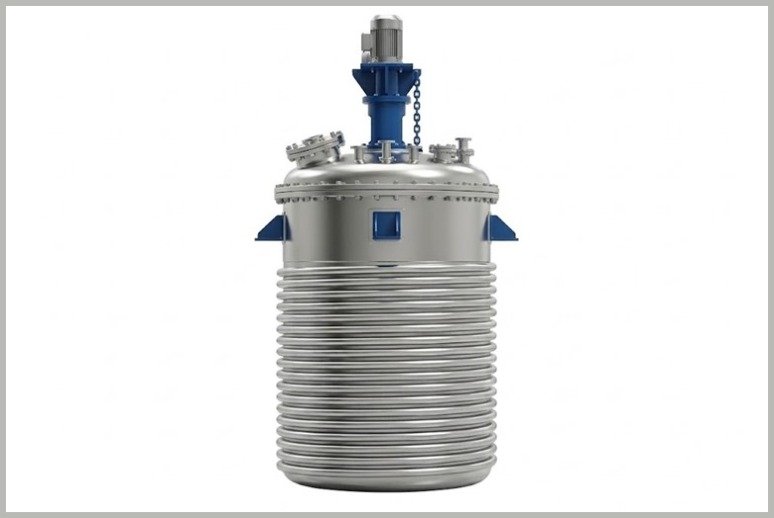
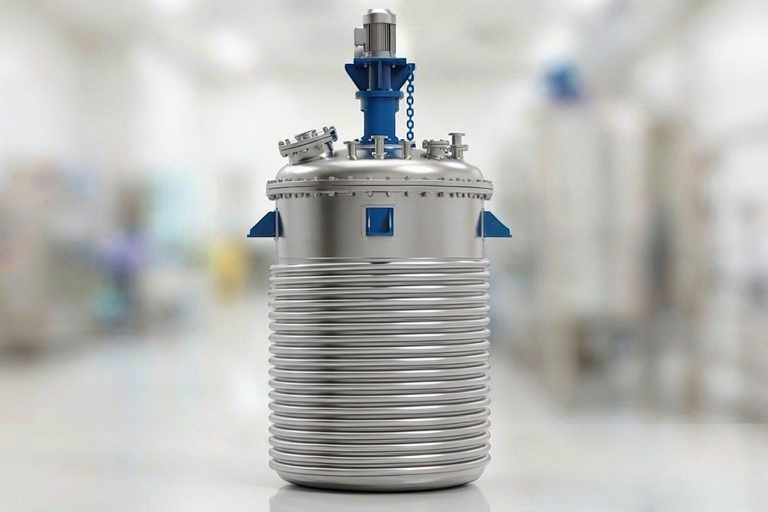
A pharmaceutical reactor is a highly specialized vessel engineered for conducting precise, controlled chemical reactions essential to the production of active pharmaceutical ingredients (APIs), intermediates, and finished drug compounds. In the competitive pharmaceutical industry, these reactors play a pivotal role in ensuring high product quality, batch-to-batch consistency, and full regulatory compliance. Manufacturers rely on advanced pharmaceutical reactors to meet stringent standards such as cGMP (current Good Manufacturing Practice), FDA guidelines, and international pharmacopeia requirements.
Pharmaceutical manufacturing demands exceptional precision because even minor variations in reaction conditions can compromise drug safety, efficacy, and purity. Unlike standard industrial chemical reactors, pharmaceutical reactors are designed to handle small-volume, high-value products where contamination risks must be virtually eliminated. They provide accurate control over critical process parameters including temperature, pressure, agitation speed, pH levels, and reaction time. This level of control is vital for complex processes such as chemical synthesis, crystallization, fermentation, hydrogenation, and purification.
Modern pharmaceutical reactors support both batch and continuous processing modes, enabling scalability from laboratory development to commercial production. Their versatility makes them indispensable across various stages of drug development and large-scale manufacturing.
While general chemical reactors focus primarily on throughput and cost-efficiency, pharmaceutical reactors prioritize product purity, safety, and regulatory compliance. Key differences include enhanced containment systems, validation-ready documentation, and materials certified for pharmaceutical use. They are built to minimize dead legs, support full traceability of product contact parts, and comply with stringent validation protocols (IQ/OQ/PQ).
Using state-of-the-art pharmaceutical reactors improves yield, reduces impurities, shortens cycle times, and enhances overall operational efficiency. They support rapid scale-up, accelerate time-to-market for new drugs, and help companies maintain competitive advantage in a highly regulated industry.
As the global demand for pharmaceuticals continues to grow—driven by aging populations, chronic diseases, and innovative therapies—the need for reliable, efficient, and compliant pharmaceutical reactors has never been greater. Whether for generic drug manufacturing, contract development and manufacturing organizations (CDMOs), or innovator companies, these specialized vessels remain central to safe and effective medicine production.
A pharmaceutical reactor is a specialized vessel designed for precise, controlled chemical reactions to produce active pharmaceutical ingredients (APIs), intermediates, and finished drug compounds. It ensures high product quality, batch-to-batch consistency, and regulatory compliance (cGMP, FDA, and pharmacopeia standards) by tightly controlling parameters such as temperature, pressure, agitation, pH, and reaction time—critical because even minor variations can affect drug safety, efficacy, and purity.
Pharmaceutical reactors prioritize product purity, safety, and regulatory compliance over pure throughput or cost-efficiency. They feature enhanced containment, validation-ready documentation (IQ/OQ/PQ), materials certified for pharmaceutical use, minimized dead legs, full product-contact-part traceability, and designs that virtually eliminate contamination risks for small-volume, high-value products.
Product-contact surfaces are constructed from SS 316 or SS 316L stainless steel to meet cGMP and FDA requirements. These materials provide excellent corrosion resistance, cleanability, and compatibility with sterile processes. Non-contact parts may use other grades depending on the application.
They support chemical synthesis, crystallization, fermentation, hydrogenation, purification, and formulation. Modern designs enable both batch and continuous processing, making them suitable from laboratory/pilot scale through commercial production.
Reactors are fitted with high-efficiency agitators (anchor, paddle, propeller, or high-shear types) often with variable-speed drives for uniform mixing. Precise temperature control is achieved via jacketed vessels or limpet (half-pipe) coil systems that circulate steam, thermic fluid, hot oil, chilled water, or glycol.
They feature fully closed and sealed designs, smooth mirror-polished internal finishes to minimize product adhesion, and compatibility with CIP (Clean-in-Place) and SIP (Sterilize-in-Place) systems. These elements prevent contamination and support easy, validated cleaning and sterilization.
Standard safety devices include pressure relief valves, rupture discs, and temperature/pressure sensors. Many models also incorporate inline sensors for real-time monitoring and automated control systems (PLC/SCADA) for process reliability and data integrity.
They are widely applied in the pharmaceutical, nutraceutical, herbal, Ayurvedic, biotech, cosmetic, and chemical industries—anywhere precise reaction control, purity, and regulatory compliance are required.
Capacities typically range from a few hundred liters (laboratory/pilot) up to 80,000 liters or more for commercial production. Modular designs allow addition of condensers, receivers, filtration systems, and support both vacuum and pressure operations for flexible process requirements.
Benefits include precise heating/cooling via jacketed or limpet-coil designs, high-efficiency mixing, pressure and vacuum capability, real-time process monitoring, energy-efficient heat transfer, reduced contamination risk, easier validation and maintenance, and full support for multipurpose use across synthesis, crystallization, and formulation stages.
Algeria | Angola | Argentina | Australia | Austria | Bahrain | Bangladesh | Belarus | Belgium | Bolivia | Botswana | Brazil | Bulgaria | Canada | Chile | China | Colombia | Costa Rica | Cuba | Czech Republic | Denmark | Dominican Republic | Ecuador | Egypt | El Salvador | Ethiopia | Finland | France | Germany | Ghana | Greece | Guatemala | Haiti | Honduras | Hong Kong | Hungary | India | Indonesia | Iran | Ireland | Israel | Italy | Ivory Coast | Japan | Jordan | Kazakhstan | Kenya | Kuwait | Lebanon | Libya | Malaysia | Mexico | Mongolia | Morocco | Mozambique | Myanmar | Netherlands | New Zealand | Nicaragua | Nigeria | Norway | Oman | Pakistan | Panama | Paraguay | Peru | Philippines | Poland | Portugal | Qatar | Romania | Russia | Saudi Arabia | Senegal | Slovakia | Singapore | South Africa | South Korea | South Sudan | Spain | Sri Lanka | Sweden | Switzerland | Taiwan | Tanzania | Thailand | Trinidad and Tobago | Tunisia | Turkey | Uganda | Ukraine | United Arab Emirates | United Kingdom | United States | Uruguay | Uzbekistan | Venezuela | Vietnam | Zambia | Zimbabwe
Connect with our engineering team to discuss your specific production requirements. We provide customized, cGMP-compliant machinery solutions designed to optimize your manufacturing facility and maximize output.
©Adinath International | Theme Developed By Pharma Machinery Manufacturer I Website updated on: 31 August 2026
WhatsApp us
